
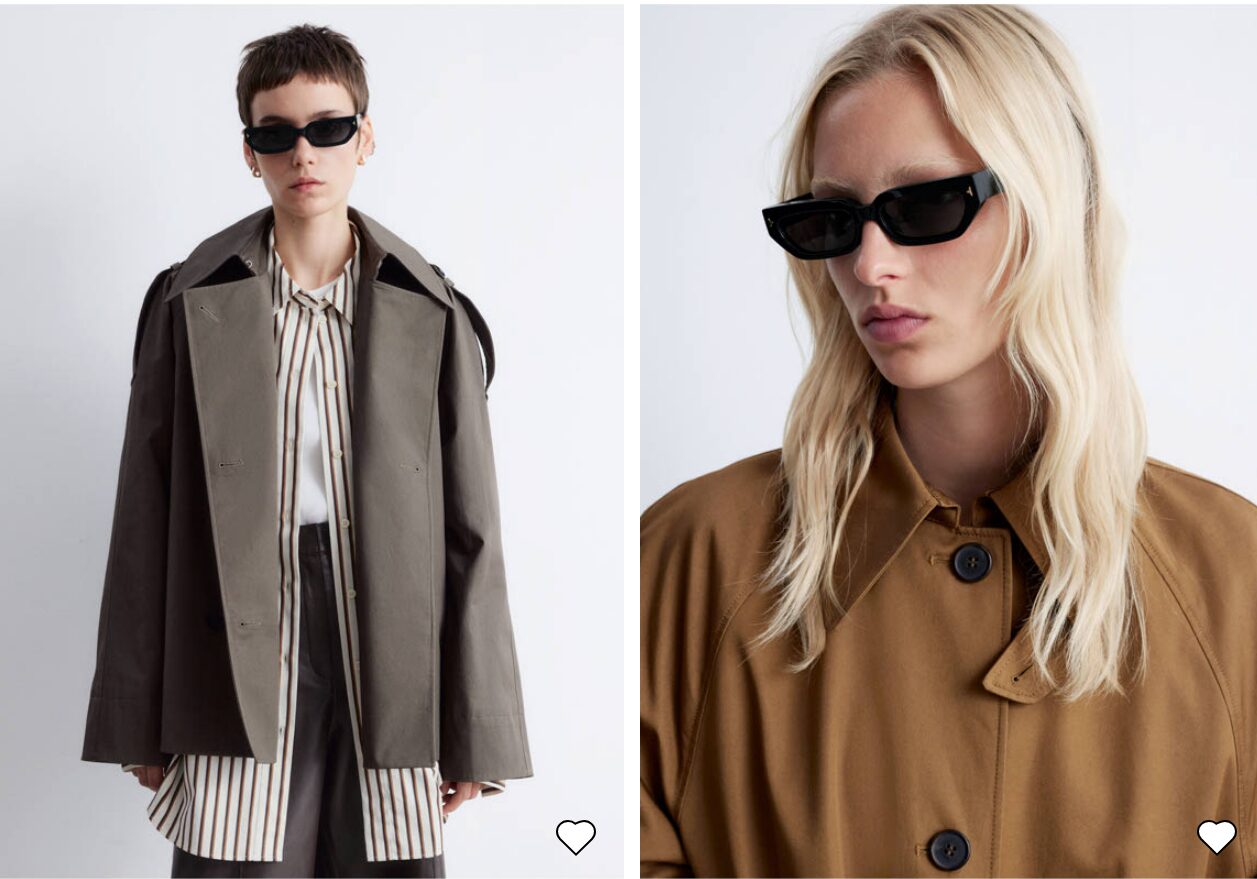
Introduction to the Power of Clothing Stories
Clothing is more than just fabric stitched together; it’s a canvas that tells the stories of our lives. Every piece we choose to wear carries layers of meaning, reflecting our identity, culture, and personal experiences. For women especially, clothing has been a powerful form of self-expression throughout history.
From traditional garments rooted in heritage to modern fashion statements that challenge societal norms, women’s clothing serves as a narrative thread connecting past and present. It empowers individuals to share their journeys while celebrating uniqueness and diversity. This exploration offers an insight into how the choices we make in what we wear can speak volumes about who we are and the stories we hold dear. Let’s delve deeper into this captivating world where style meets storytelling.
Historical Significance of Women’s Clothing
Women’s clothing has long served as a canvas for societal change. Each era brought forth styles that reflected cultural shifts and gender roles. From the corsets of the Victorian age to the flapper dresses symbolizing liberation in the 1920s, attire often mirrored women’s evolving status.
Garments have been used as tools of protest. The suffragette movement saw women don white dresses adorned with purple and green sashes to signify their fight for rights. Fashion became an emblem of resistance, telling powerful stories about autonomy and empowerment.
Traditional garments also carry profound significance, representing heritage and identity across generations. For many cultures, specific fabrics or designs tell tales of ancestry, weaving past narratives into modern wardrobes.
As we examine historical clothing trends, it’s clear these choices were never just about fabric and aesthetics; they encapsulated movements, beliefs, and personal journeys woven into the very threads worn by women throughout time.
The Role of Fashion in Shaping Identity
Fashion acts as a powerful medium for self-expression. It allows individuals to project their identity without uttering a word. The choices we make in clothing reflect our beliefs, backgrounds, and aspirations.
For many women, fashion is intertwined with cultural heritage. Traditional garments can signify pride in one’s ancestry while adapting contemporary styles creates a fusion of old and new narratives.
Moreover, personal style evolves through life experiences. What we wear during significant moments often becomes etched into our memories. A favorite dress from a graduation or the jacket worn on an unforgettable date tells its own story.
In today’s world, social media amplifies this impact even further. Women share their outfits online, creating communities that celebrate individuality and diverse identities. Each post contributes to the broader tapestry of stories woven by fashion across different cultures and generations.
Empowering Narratives through Women’s Clothing
Clothing is a powerful medium for self-expression. For many women, it transcends mere fabric and thread. Each outfit worn can convey personal stories, cultural heritage, or social commentary.
Consider the bold patterns of traditional attire that represent rich histories. These garments connect generations while showcasing individuality in modern contexts.
Fashion allows women to embrace their identities without words. A vibrant dress might reflect confidence, while a tailored suit can signal ambition and professionalism.
Through clothing choices, women reclaim narratives around femininity and strength. The act of dressing becomes an assertion of who they are and what they stand for.
These empowering narratives unfold layer by layer with every stitch. As stories intertwine with style, they create a vivid tapestry of diverse experiences in the world of fashion.
Case Studies: Examples of Women Using Clothing to Tell Their Stories
One inspiring example is the “Dress for Success” initiative. Women seeking jobs often wear tailored suits that symbolize professionalism and ambition. These outfits can transform their confidence, allowing them to step into interviews with a powerful narrative.
In another case, fashion designer Aurora James created the 15 Percent Pledge. Through her clothing line, she highlights stories of Black-owned businesses in fashion. Each piece carries a message about heritage and resilience.
Then there’s Malala Yousafzai, who famously wears traditional Pakistani dress as a symbol of her advocacy for girls’ education. Her wardrobe choices resonate deeply with her identity while amplifying an important cause.
These women harness clothing not just for style but as tools of empowerment—each stitch woven with personal significance and cultural narratives that inspire others to embrace their own stories.
Conclusion
Clothing has an undeniable power. It can communicate feelings, beliefs, and personal narratives without saying a word. Women’s clothing, in particular, carries rich histories woven into each thread and fabric.
From historical garments that signify status to contemporary fashion that challenges societal norms, the evolution of women’s attire reflects broader cultural shifts. Each piece tells a story—a tribute to resilience or self-expression.
Fashion plays an essential role in shaping one’s identity. The choices women make about what they wear speak volumes about who they are and how they wish to be perceived. Whether it is expressing individuality through bohemian styles or conforming to professional attire for workplace empowerment, clothing serves as a canvas for personal storytelling.
Empowering narratives emerge from these choices. By donning specific outfits—be it a vibrant dress at a protest or traditional garb during rites of passage—women convey messages that resonate with both themselves and their communities. Fashion becomes more than just style; it transforms into activism and solidarity.
Real-life examples abound where women have used clothing as tools for change. From athletes wearing uniforms that challenge gender stereotypes to artists creating statement pieces reflecting sociopolitical issues, the impact is profound and transformative.
As we explore these stories further, it’s clear that women’s clothing remains rich with meaning and significance today—each outfit not merely fabric but also layers upon layers of lived experiences waiting to be shared with the world.