
Introduction
Freelancing has become one of the fastest-growing ways to work in the modern digital economy. Millions of professionals around the world now work independently as designers, developers, writers, consultants, marketers, and service providers. Freelancing offers flexibility, independence, and the opportunity to build a career on personal skills and creativity. However, running a freelance business also involves responsibilities that go beyond delivering services to clients. One of the most important responsibilities is managing finances.
Financial management can be challenging for freelancers because they must handle tasks that traditional employees usually do not have to worry about. Freelancers must track their income, record expenses, send invoices to clients, monitor payments, and prepare financial documents for tax reporting. These tasks can quickly become complicated and time-consuming if they are handled manually.
Many freelancers initially rely on spreadsheets or basic accounting methods to manage their finances. While these solutions can work in the beginning, they often become difficult to maintain as the business grows. Manual accounting increases the risk of mistakes, missing transactions, and incomplete records. Inaccurate financial data can lead to problems during tax filing and may even result in financial penalties.
To solve these challenges, many freelancers are now turning to digital accounting tools that automate financial processes. Online accounting platforms are designed to simplify financial management and reduce the amount of time spent on administrative tasks. These tools help freelancers organize their financial data, track income and expenses, and generate reports that provide insights into their business performance.
One platform that has become increasingly popular among freelancers and independent professionals is Indy. Indy is an online accounting software designed specifically for freelancers and small businesses. The platform aims to simplify financial management by automating bookkeeping, tracking expenses, creating invoices, and assisting with tax preparation.
Instead of managing financial tasks across multiple tools or spreadsheets, freelancers can handle everything from a single platform. Indy offers a user-friendly interface that makes accounting accessible even for people who do not have financial expertise.
This guide explores how Indy works and why it has become a valuable tool for freelancers. We will examine how the platform automates bookkeeping, simplifies expense tracking, streamlines invoicing, and helps freelancers prepare for tax declarations.
Understanding Indy and How the Platform Works
Indy is a cloud-based accounting software designed to make financial management easier for freelancers, independent professionals, and small business owners. Unlike traditional accounting systems that often require specialized knowledge, Indy focuses on simplicity and automation.
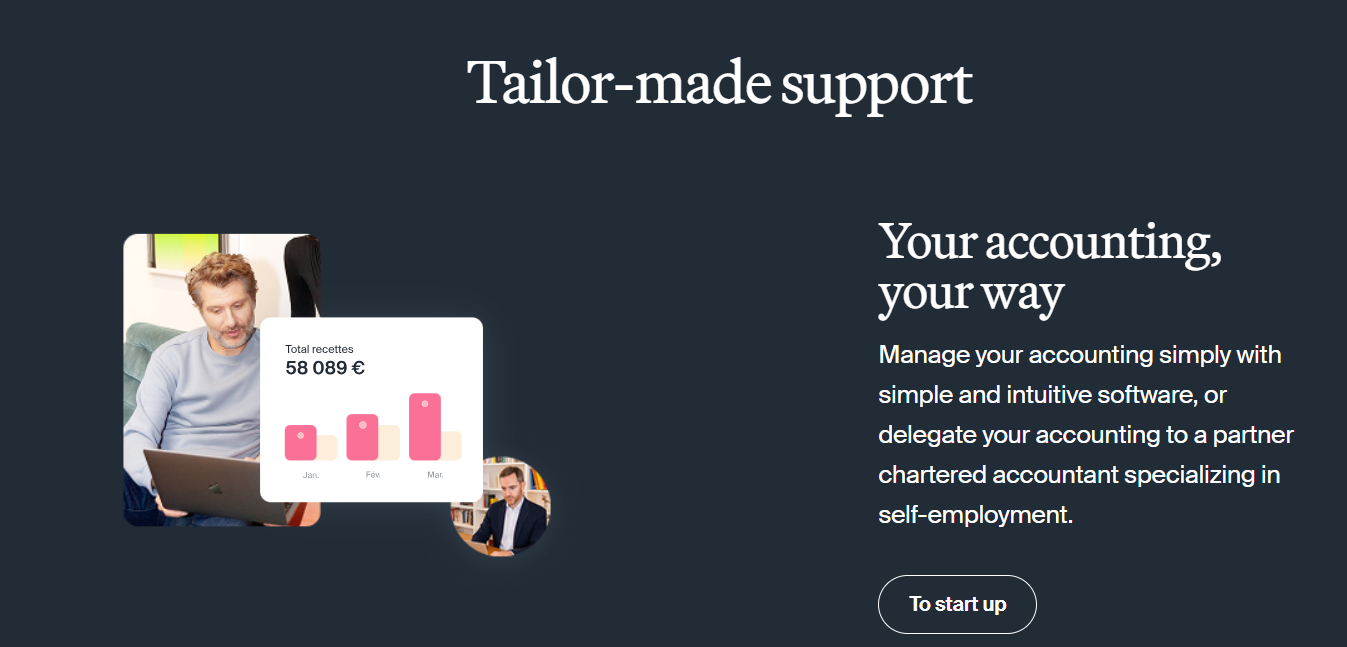
The platform works by organizing financial information in a central dashboard. This dashboard provides users with an overview of their income, expenses, invoices, and financial performance. Instead of juggling multiple tools for accounting tasks, freelancers can manage everything in one place.
When users first create an account on Indy, they can connect their financial accounts to the platform. This connection allows the system to automatically import financial transactions from bank accounts or payment services.
Once transactions are imported, the platform categorizes them as income or expenses. This automated process eliminates the need for manual entry, saving time and reducing the risk of errors.
Indy also uses smart algorithms to organize transactions into categories such as office expenses, marketing costs, software subscriptions, travel expenses, and other business-related costs. Proper categorization helps freelancers maintain organized financial records.
Another advantage of Indy is its cloud-based accessibility. Because the platform operates online, users can access their financial information from any device with an internet connection. This flexibility allows freelancers to manage their finances whether they are working from home, traveling, or meeting clients.
The platform also generates financial summaries that provide insights into business performance. These reports help freelancers understand how much they earn, how much they spend, and how profitable their business is.
By combining automation, accessibility, and financial insights, Indy simplifies accounting for freelancers who want to focus on their work rather than financial administration.
Automating Bookkeeping for Freelancers
Bookkeeping is one of the most essential aspects of running a freelance business. It involves recording financial transactions such as payments received from clients, expenses incurred for business operations, and other financial activities.
Traditional bookkeeping methods often require manual entry of each transaction. This process can be time-consuming and prone to mistakes, especially when freelancers manage a large number of transactions.
Indy simplifies bookkeeping by automating many of these tasks. When financial accounts are connected to the platform, transactions are automatically imported into the system. This eliminates the need to manually record each payment or expense.
Once the transactions are imported, the software organizes them into categories. For example, payments from clients are recorded as income, while purchases related to business operations are categorized as expenses.
Automated bookkeeping helps freelancers maintain accurate financial records without spending hours updating spreadsheets. It also ensures that important financial information is not overlooked.
Another benefit of automated bookkeeping is improved financial visibility. The platform provides real-time updates on financial activities, allowing users to see their income and expenses as they occur.
This visibility helps freelancers monitor their cash flow and make better financial decisions. For example, if expenses increase unexpectedly, freelancers can quickly identify the cause and adjust their spending accordingly.
Automated bookkeeping also simplifies collaboration with accountants. If freelancers choose to work with professional accountants, they can easily share organized financial records generated by the platform.
By automating bookkeeping tasks, Indy allows freelancers to maintain accurate financial records while focusing more on growing their businesses.
Managing Expenses and Creating Professional Invoices
Expense management is another critical aspect of freelance financial management. Freelancers often incur various business expenses such as software subscriptions, equipment purchases, marketing costs, travel expenses, and office supplies.
Tracking these expenses accurately is important for understanding business profitability and identifying tax deductions.
Indy simplifies expense tracking by automatically categorizing transactions imported from financial accounts. This allows freelancers to see how much they spend on different aspects of their business.
For example, freelancers can quickly determine how much they spend on marketing, tools, or operational costs. Understanding these spending patterns helps professionals control expenses and improve financial planning.
Expense tracking also plays an important role during tax preparation. Many business expenses are tax-deductible, which means they can reduce the amount of tax owed. Keeping organized expense records ensures that freelancers can claim eligible deductions.
Another essential feature of Indy is its invoicing system. Invoices are critical for freelancers because they ensure that clients are billed properly for services provided.
Indy allows users to create professional invoices directly from the platform. These invoices can include details such as service descriptions, pricing, payment terms, due dates, and tax information.
Once an invoice is sent to a client, the platform tracks its status. Freelancers can see whether the invoice has been paid, is pending, or is overdue.
This transparency helps freelancers maintain control over their cash flow and follow up with clients when necessary.
The invoicing system also helps create a more professional impression when working with clients. Well-designed invoices improve credibility and demonstrate that the freelancer operates a well-organized business.
By combining expense management and invoicing tools, Indy helps freelancers maintain financial organization and improve their business operations.
Simplifying Tax Declarations and Financial Reporting

Taxes can be one of the most complex aspects of freelancing. Independent professionals are responsible for calculating their income, tracking deductible expenses, and filing tax declarations according to local regulations.
Without proper financial records, tax preparation can become stressful and time-consuming.
Indy helps simplify this process by organizing financial data throughout the year. Because the platform automatically records income and expenses, freelancers always have access to accurate financial information.
Financial summaries generated by the platform provide a clear overview of total income, expenses, and profit. These summaries make it easier to calculate taxable income when preparing tax declarations.
Expense categorization also helps identify deductible expenses. Proper documentation of these expenses ensures that freelancers can reduce their tax liabilities legally.
Another advantage of using accounting software for tax preparation is improved compliance. Organized financial records reduce the risk of errors or missing information during tax filing.
If freelancers work with accountants or tax professionals, they can easily share financial reports generated by the platform.
In addition to tax preparation, financial reports also help freelancers analyze their business performance. Reports showing monthly income, expenses, and profit trends allow professionals to understand how their business is evolving over time.
This insight helps freelancers make better financial decisions and plan for future growth