
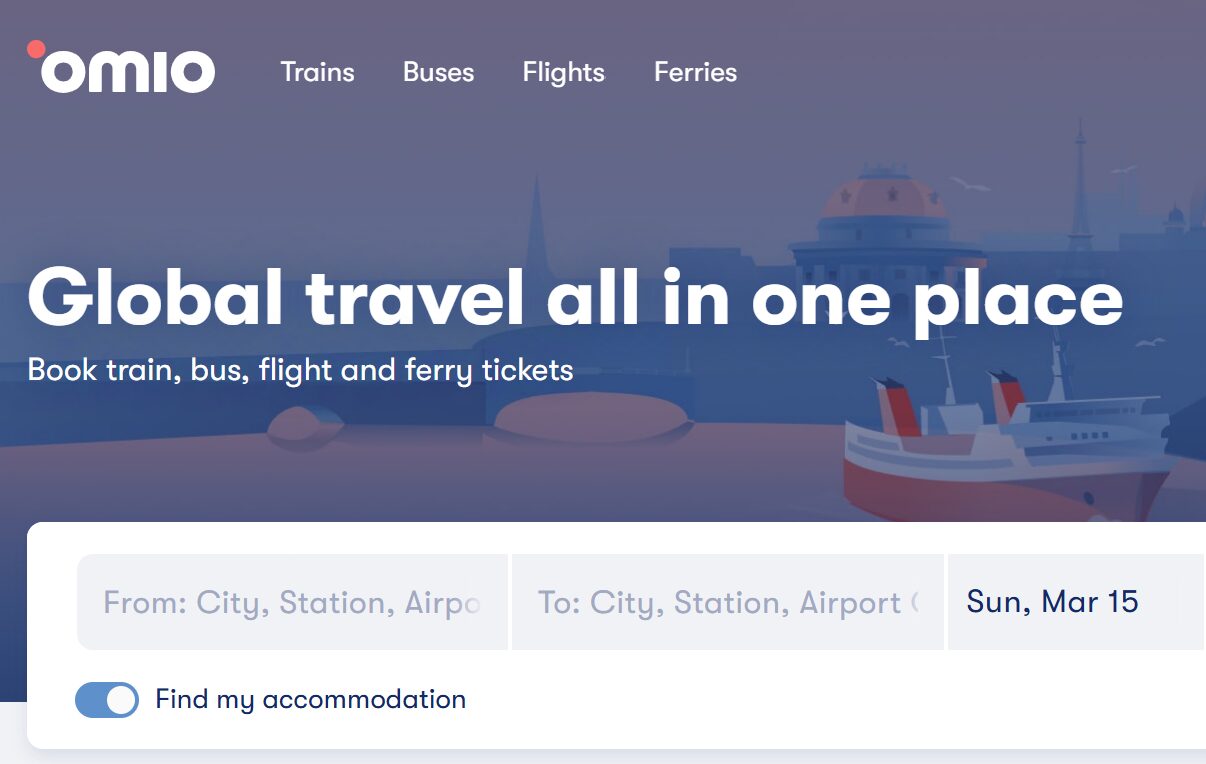
The Vision and Mission Behind Omio
Omio was created with a clear mission: to simplify travel planning for people around the world. In the past, planning a trip across multiple cities or countries required travelers to check several websites for trains, flights, and buses. This fragmented process often caused confusion and wasted time.
The founders of Omio believed that travel should be easier and more accessible. By bringing together transportation data from various providers into one unified platform, the company created a digital tool that allows travelers to compare and book journeys quickly.
Headquartered in Berlin, Omio has grown into an international travel company serving millions of users each year. The platform allows travelers to plan trips across Europe, North America, and other regions by offering multiple transportation options within a single search interface.
The company’s vision is to create a global ecosystem where travelers can easily discover, compare, and book any journey regardless of the transportation method or location.
How Omio Connects Different Modes of Transportation
One of the defining features of Omio is its ability to connect multiple transportation modes. Instead of focusing only on flights or train travel, the platform integrates buses, trains, flights, and ferries.
This multi-modal approach allows travelers to explore combinations that traditional booking systems may not display. For example, a traveler might take a train from a small town to a major city airport, fly internationally, and then continue by bus to the final destination.
Omio’s system evaluates these options and presents them together in a single list of results. Users can then compare travel times, ticket prices, and transfer details before making a decision.
This feature is particularly helpful in regions like Europe, where train networks and bus routes are highly developed. By integrating different transportation systems, Omio enables travelers to discover efficient travel paths that might otherwise be overlooked.
User-Friendly Features of the Omio Platform
Ease of use is one of the reasons why Omio has gained popularity among travelers. The platform’s design focuses on simplicity and clarity, making it accessible even to users who are planning international trips for the first time.
The search interface allows travelers to enter departure and destination cities along with travel dates. Within seconds, the system displays available routes along with estimated travel time, ticket prices, and transportation providers.
Filters help users refine search results based on preferences such as the fastest route, the lowest price, or the fewest transfers. Travelers can also view detailed information about each journey segment.
Another convenient feature is digital ticket storage. In many cases, tickets can be saved directly in the Omio mobile application, allowing travelers to access them without printing.
The platform also supports multiple languages and currencies, making it accessible to travelers from different countries.
Omio’s Role in the Modern Travel Ecosystem
The travel industry has undergone significant transformation in recent years, and platforms like Omio are playing an important role in this change.
Digital travel platforms have shifted how people plan trips. Instead of relying on travel agencies or manually searching for schedules, travelers now use online platforms that provide instant access to transportation information.
Omio’s integration of multiple transportation providers helps create a more connected travel ecosystem. Travelers can easily discover routes that combine different transport systems, improving overall travel flexibility.
The platform also supports tourism by making it easier for people to explore new destinations. By simplifying transportation planning, Omio encourages travelers to visit cities and regions that they may not have considered before.
This role in connecting travelers with transportation networks makes Omio an important participant in the digital travel economy.
Partnerships and Global Expansion
The growth of Omio has been supported by partnerships with numerous transportation providers. These partnerships allow the platform to integrate schedules, pricing information, and ticket availability from thousands of operators worldwide.
Railway companies, bus operators, airlines, and ferry services all contribute to the extensive travel network available on Omio. As a result, travelers can plan journeys between major international cities as well as smaller regional destinations.
The company continues to expand into new markets by adding transportation providers from different regions. This expansion allows Omio to offer more travel routes and improve accessibility for users around the world.
In addition to consumer travel services, Omio has also developed tools designed for business travel planning. These solutions help companies manage employee travel bookings more efficiently.
Such partnerships and expansions demonstrate the platform’s ambition to become a global leader in integrated travel planning.
The Future of Omio and Digital Travel Innovation
The future of Omio will likely involve continuous innovation in technology and travel services. As more transportation providers digitize their operations, platforms like Omio will gain access to even more travel data.
Artificial intelligence may play a role in improving route recommendations by analyzing user preferences and travel behavior. Personalized suggestions could help travelers find routes that match their interests, budgets, and schedules.
Mobile technology will also remain central to the platform’s development. Future updates may include enhanced real-time travel alerts, smarter itinerary management, and faster ticket booking systems.
Another area of growth could involve integrating new transportation methods such as shared mobility services or emerging travel technologies.
As global tourism continues to grow, Omio is positioned to remain an important tool for travelers seeking convenient and flexible ways to plan their journeys. By combining technology, transportation networks, and user-friendly design, the platform continues to transform how people organize travel in the digital age.