
Introduction to FlixBus and Its Travel Model
FlixBus is one of the most popular long-distance bus travel platforms in the world, offering affordable and accessible transportation across multiple continents. Launched in 2013 in Germany, it quickly expanded into a global travel-tech brand under the Flix group.
Unlike traditional bus companies, FlixBus operates using an asset-light business model. This means it does not own most of its buses but partners with local operators while managing ticketing, pricing, and customer experience through its digital platform.
The company now serves more than 40 countries and connects thousands of destinations, making it a key player in the global transportation industry.
Its mission is to provide affordable, sustainable, and convenient travel options for everyone. By focusing on technology and network expansion, FlixBus has made intercity travel more accessible than ever.
Overall, FlixBus represents a modern approach to travel, combining innovation with affordability.
Extensive Network and Global Reach
FlixBus has built one of the largest long-distance bus networks in the world. In Europe alone, it offers connections to over 3,000 destinations across 35 countries, making it a dominant force in regional travel.
Globally, the platform connects more than 8,000 destinations, including cities in North America, South America, and parts of Asia.
This extensive coverage allows travelers to explore both major cities and smaller towns, often at lower prices compared to flights or trains.
FlixBus also complements its bus services with FlixTrain, providing rail travel options in selected countries. This multi-modal approach enhances flexibility for travelers.
The company continues to expand its routes and partnerships, ensuring that more destinations become accessible over time.
With such a wide network, FlixBus makes it easy for travelers to plan long-distance journeys efficiently.
Booking Experience and Digital Platform

One of FlixBus’s biggest strengths is its user-friendly digital platform. Customers can book tickets through its website or mobile app in just a few steps.
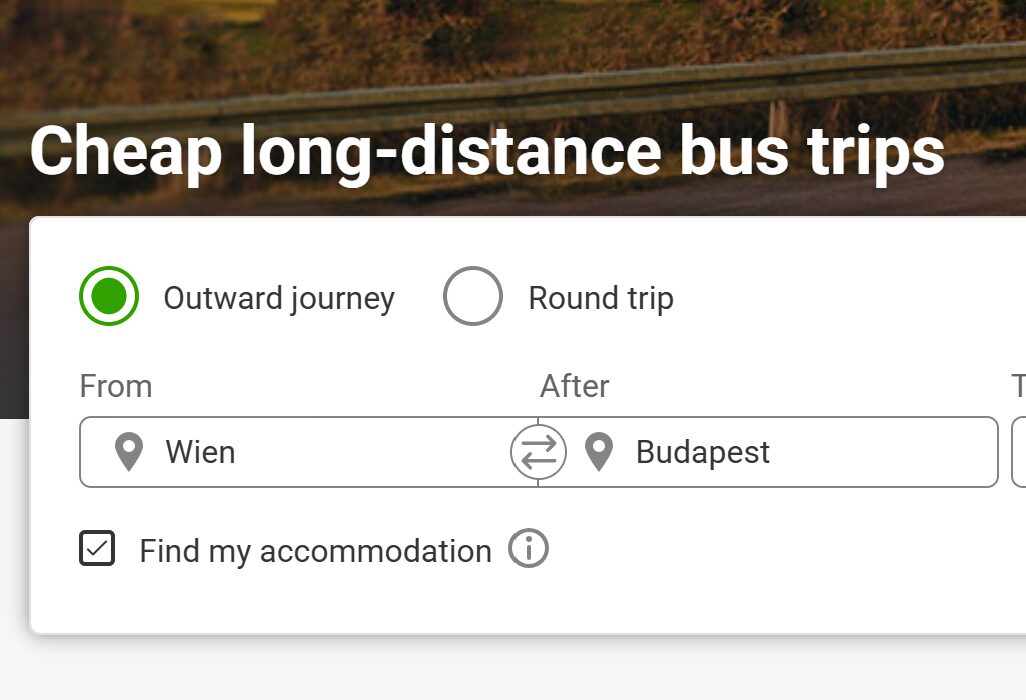
The booking process starts with entering departure and arrival cities along with travel dates. The system then displays available routes, prices, and travel durations.
Advanced features allow users to select seats, add luggage, and choose additional services. The platform also supports multiple payment methods, making transactions simple and secure.
FlixBus uses advanced technology and AI to optimize pricing and route planning. Millions of seat prices are adjusted daily to provide competitive fares.
Digital tickets eliminate the need for printing, allowing passengers to travel using their smartphones.
Overall, the platform focuses on convenience, speed, and accessibility for modern travelers.
Affordability and Travel Benefits
FlixBus is widely known for its low-cost travel options. Tickets are often significantly cheaper than other transportation methods, making it ideal for budget travelers.
The company achieves this affordability through its efficient business model and large network. By partnering with local operators, it reduces operational costs while maintaining service quality.
Passengers also benefit from onboard amenities such as free Wi-Fi, power outlets, and comfortable seating on many routes.
Flexible ticket options allow users to modify or cancel bookings بسهولة, depending on the fare conditions.
FlixBus is also considered an environmentally friendly travel option. Bus travel produces significantly lower carbon emissions compared to cars and airplanes.
These advantages make FlixBus a popular choice for students, tourists, and budget-conscious travelers.
Challenges and Customer Experience Considerations
Despite its many benefits, FlixBus is not without challenges. Since it relies on third-party operators, service quality can vary depending on the region and partner company.
Delays and schedule changes may occur, especially on long-distance routes or during peak travel periods.
Customer support experiences can also differ, particularly when dealing with refunds or missed connections.
From online discussions, some travelers report inconsistent experiences, with delays or communication issues affecting their journeys. However, others highlight smooth and affordable travel experiences across multiple routes.
Another consideration is that bus travel may take longer than flights or high-speed trains, which can impact travel plans.
By planning ahead and allowing buffer time, most of these challenges can be minimized.
Future Growth and Sustainable Travel Vision
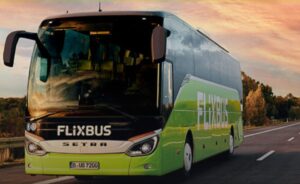
FlixBus is positioned for strong future growth as demand for affordable and sustainable travel increases. The company is continuously expanding into new markets, including regions in Asia and Latin America.
Sustainability is a major focus for the brand. Flix aims to achieve net-zero emissions in Europe by 2040 and globally by 2050, reflecting its commitment to environmental responsibility.
The company is also investing in electric buses and alternative fuels to reduce its carbon footprint.
Technological innovation remains a priority, with advancements in AI, mobile apps, and real-time tracking expected to improve customer experience.
Additionally, integration with train services and other transport modes will create more seamless travel options.
In conclusion, FlixBus is a leading global travel platform that combines affordability, technology, and sustainability. Its continued innovation ensures it will remain a key player in the future of long-distance travel.