The Evolution of FlixBus in Modern Transportation
FlixBus has rapidly transformed the way people travel between cities by offering a modern, digital-first approach to bus transportation. Founded in Germany, the company entered the market with a clear goal: to make travel affordable, accessible, and efficient for everyone.
Traditional bus travel often faced challenges such as outdated booking systems and inconsistent service quality. FlixBus addressed these issues by introducing a centralized platform that manages ticketing, pricing, and customer service.
Over the years, the company has expanded beyond Europe into North America, South America, and parts of Asia. This global expansion has made FlixBus one of the most recognized names in budget travel.
The brand’s success is built on combining technology with partnerships. Instead of owning buses, it collaborates with regional operators, ensuring flexibility and scalability.
Today, FlixBus represents a new era of transportation where digital innovation meets practical travel needs.
How the FlixBus Platform Enhances Travel Planning
The FlixBus platform is designed to simplify the entire travel process, from searching routes to completing bookings. Its website and mobile app provide a seamless experience for users.
Travelers can easily compare routes, departure times, and ticket prices in one place. This eliminates the need to check multiple sources, saving both time and effort.
The platform also offers real-time updates, allowing passengers to track schedules and receive notifications about delays or changes. This feature is especially useful for long-distance journeys.
Another important aspect is the flexibility in booking. Users can choose seats, add extra luggage, and select additional services according to their needs.
Digital tickets make boarding quick and hassle-free, as passengers can simply show their tickets on their smartphones.
Overall, the FlixBus platform focuses on convenience, making travel planning simple and efficient.
Comfort, Amenities, and Onboard Experience

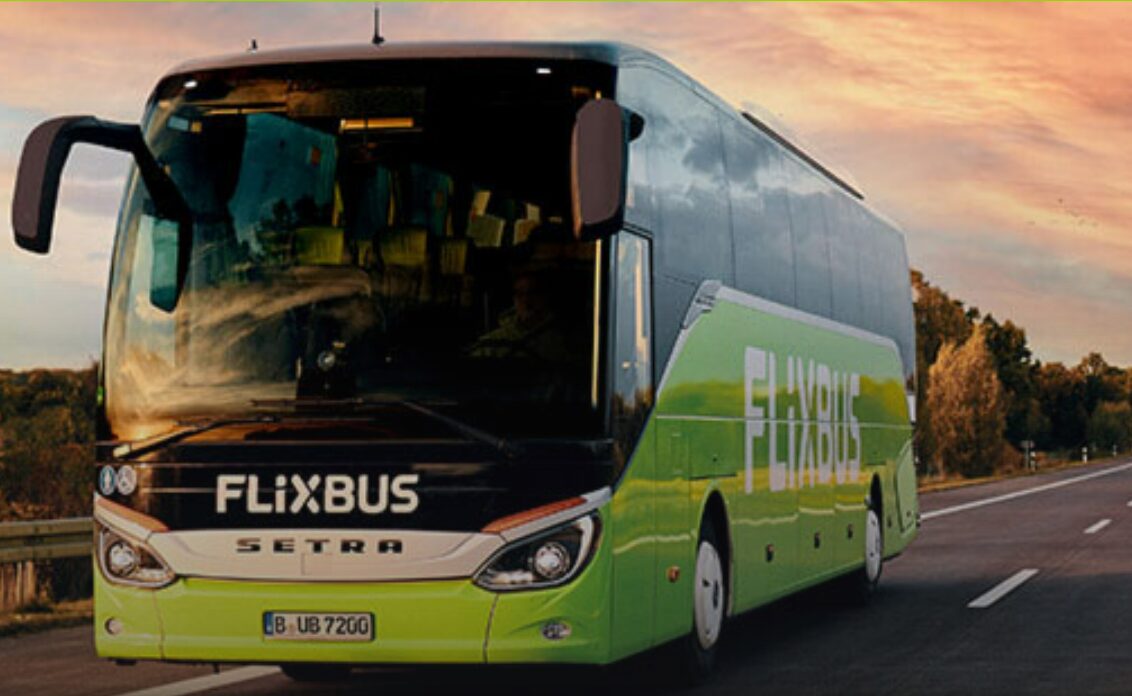
FlixBus aims to provide a comfortable travel experience despite its budget-friendly pricing. Most buses are equipped with modern amenities that enhance passenger comfort.
Seats are designed to provide adequate legroom, making long journeys more manageable. Many buses also include reclining seats for added comfort.
Passengers often have access to free Wi-Fi, allowing them to stay connected during the trip. Power outlets are also available on many routes, enabling travelers to charge their devices.
Air conditioning and clean interiors contribute to a pleasant travel environment. These features ensure that passengers can travel comfortably even on extended journeys.
Some routes also offer additional services such as snacks or entertainment options, depending on the operator.
By focusing on comfort and convenience, FlixBus creates a positive travel experience for its users.
Pricing Strategy and Budget Travel Advantage
One of the key reasons behind FlixBus’s popularity is its competitive pricing strategy. The company uses dynamic pricing to offer affordable fares while maximizing efficiency.
Ticket prices vary based on demand, booking time, and route popularity. Early bookings often result in lower fares, making it beneficial for travelers to plan ahead.
FlixBus frequently offers promotions and discounts, making travel even more affordable. This approach attracts a wide range of customers, including students and budget travelers.
The company’s asset-light model helps keep costs low, allowing it to pass savings on to customers.
Despite its low prices, FlixBus maintains a reasonable level of service quality, making it a cost-effective alternative to trains and flights.
This balance between affordability and value is a major factor in its success.
User Feedback and Real-World Travel Experiences
Customer experiences with FlixBus vary depending on the route and operator, but overall feedback highlights both strengths and areas for improvement.
Many travelers appreciate the low prices and wide network, which make it easy to travel between cities without spending a lot of money.
Positive reviews often mention the convenience of booking and the availability of multiple routes. Passengers also value the onboard amenities such as Wi-Fi and charging points.
However, some users report delays, especially on longer routes or during busy travel periods. Since FlixBus relies on partner operators, service quality can sometimes be inconsistent.
Customer support is another area where experiences may differ. While many issues are resolved efficiently, some users mention delays in response times.
Despite these challenges, FlixBus remains a popular choice for affordable travel, especially when planned carefully.
The Future of FlixBus and Smart Mobility Trends

FlixBus is continuously evolving to meet the demands of modern travelers. The company is investing in new technologies to improve efficiency and customer experience.
Sustainability is a major focus, with efforts to reduce emissions through alternative fuels and electric buses. This aligns with global trends toward eco-friendly transportation.
The company is also expanding its services to include rail options and integrated travel solutions. This multi-modal approach provides more flexibility for travelers.
Artificial intelligence and data analytics are being used to optimize routes and pricing, ensuring better service and affordability.
As urbanization and travel demand increase, FlixBus is well-positioned to play a key role in the future of mobility.
In conclusion, FlixBus is a technology-driven travel platform that combines affordability, convenience, and innovation. Its continued growth highlights the importance of smart solutions in modern transportation.