
The Brand Power and Identity of Pizza Hut in a Competitive Market
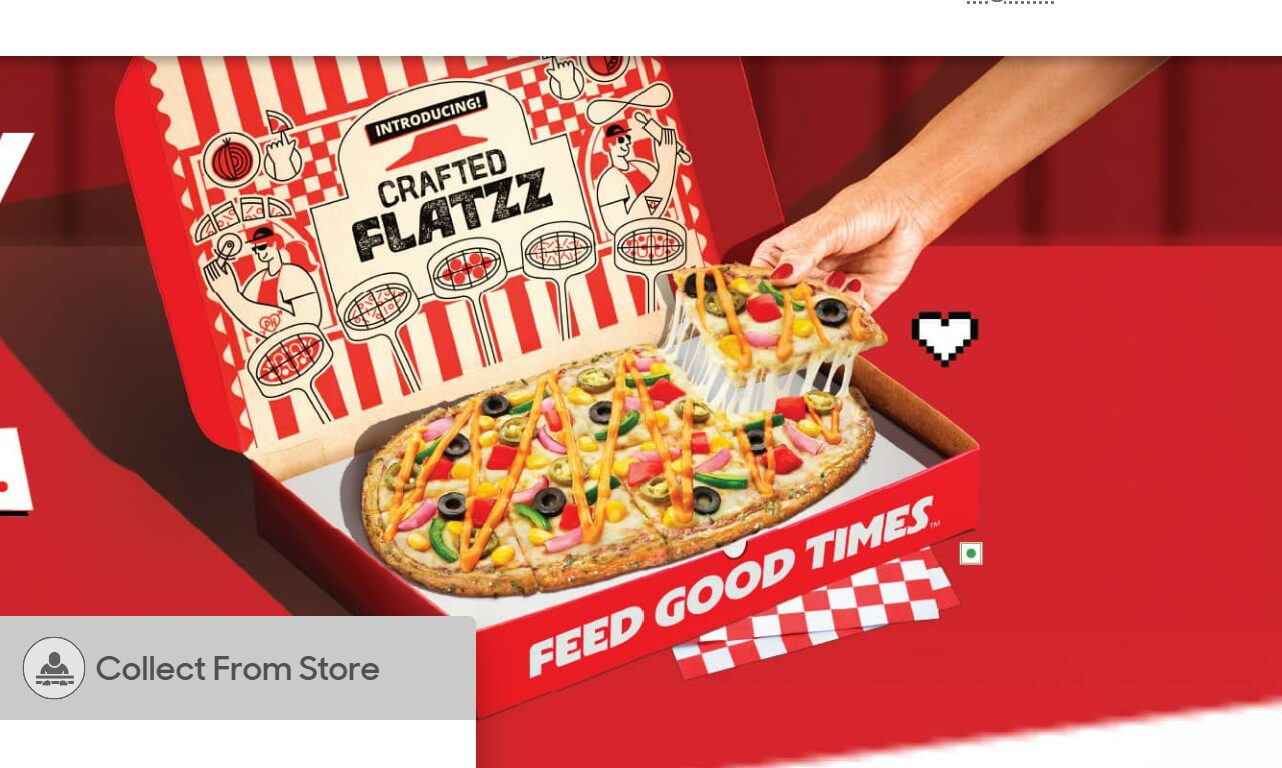
Pizza Hut has established itself as one of the most recognizable brands in the global food industry. Its iconic red roof logo, consistent branding, and long-standing reputation for quality have helped it stand out in an increasingly crowded market.
Brand identity plays a crucial role in consumer decision-making, and Pizza Hut has successfully built trust over decades. Customers associate the brand with reliability, taste, and a wide range of menu options that cater to different preferences. This recognition allows the company to maintain a strong presence even as new competitors emerge.
In a competitive landscape dominated by both global chains and local eateries, Pizza Hut leverages its brand equity to attract and retain customers. Its ability to balance tradition with modern innovation ensures that it remains relevant to both older and younger generations.
The brand also invests heavily in marketing campaigns, promotions, and collaborations that reinforce its identity. These efforts not only increase visibility but also create emotional connections with customers, strengthening loyalty over time.
Customer-Centric Strategies and Service Excellence

At the heart of Pizza Hut’s success is its commitment to customer satisfaction. The company continuously adapts its strategies to meet evolving consumer expectations, focusing on convenience, quality, and speed.
Customer-centricity is reflected in every aspect of the business, from menu design to service delivery. Pizza Hut aims to provide a seamless experience whether customers choose to dine in, order takeaway, or opt for home delivery.
The company also emphasizes consistency in quality. Regardless of location, customers expect the same taste and standards, and Pizza Hut works to maintain this uniformity across its global network.
Feedback plays a critical role in shaping the brand’s strategies. By analyzing customer reviews and preferences, Pizza Hut identifies areas for improvement and implements changes accordingly. This responsiveness helps build trust and ensures long-term customer relationships.
Technology Integration and Digital Growth
The integration of technology has transformed the way Pizza Hut operates and interacts with customers. Digital platforms have become a central component of the brand’s strategy, enabling faster and more efficient service.
Online ordering systems, mobile applications, and contactless payment options have simplified the purchasing process. Customers can now browse menus, customize their orders, and track deliveries with ease.
Technology also enhances operational efficiency. Automated systems help manage inventory, streamline kitchen operations, and reduce waiting times. These improvements contribute to a better overall experience for customers.
In addition, Pizza Hut uses data analytics to understand consumer behavior and preferences. This information allows the company to offer personalized promotions and recommendations, increasing engagement and sales.
As digital adoption continues to grow, Pizza Hut’s investment in technology positions it well for future expansion and innovation.
Adapting to Changing Food Trends and Consumer Preferences
The food industry is constantly evolving, and Pizza Hut must adapt to stay competitive. Changing consumer preferences, particularly the demand for healthier and more diverse options, have influenced the brand’s menu and strategies.
Pizza Hut has responded by introducing new items that cater to different dietary needs and lifestyles. These include vegetarian options, lighter menu items, and innovative flavor combinations that appeal to modern consumers.
The brand also focuses on limited-time offers and seasonal menus, which create excitement and encourage customers to try new products. This approach keeps the menu dynamic and relevant.
Sustainability is another growing concern among consumers. Pizza Hut is gradually incorporating environmentally friendly practices into its operations, such as reducing packaging waste and improving sourcing methods.
By staying attuned to industry trends, Pizza Hut ensures that it continues to meet the expectations of its diverse customer base.
Future Vision and Long-Term Growth of Pizza Hut

Looking ahead, Pizza Hut is focused on sustaining its growth and strengthening its position in the global market. The company’s future vision revolves around innovation, expansion, and enhanced customer experiences.
One of the key areas of focus is expanding its digital ecosystem. As more consumers rely on online platforms, Pizza Hut aims to further improve its digital services and integrate advanced technologies into its operations.
Global expansion remains another priority. By entering new markets and strengthening its presence in existing ones, the brand seeks to reach a wider audience and increase its market share.
The company is also exploring new business models and store formats to adapt to changing consumer behavior. Delivery-focused outlets and smaller, more efficient locations are becoming increasingly important.
Ultimately, Pizza Hut’s long-term success will depend on its ability to innovate while staying true to its core values. By balancing tradition with modernity, the brand is well-positioned to continue thriving in the evolving food industry.