
Introduction to Buser and the New Era of Bus Travel in Brazil
In recent years, the transportation landscape in Brazil has been undergoing a significant transformation. Travelers are no longer limited to traditional bus terminals, fixed ticket counters, and expensive last-minute fares. Digital mobility platforms have introduced smarter, more flexible ways to move between cities, and Buser has emerged as one of the most disruptive players in this space. By combining technology with demand-based travel models, Buser is redefining how people book and experience intercity bus travel in Brazil.
Buser.com.br positions itself as a modern bus trip booking platform that focuses on affordability, convenience, and user control. Instead of relying solely on the traditional bus company model, the platform connects passengers with chartered executive buses and optimized routes. This approach often results in lower prices compared to conventional bus tickets, which is why many travelers searching for cheap bus tickets Brazil are increasingly turning to Buser.
The growth of digital booking habits has played a major role in Buser’s rise. Brazilian consumers, like many around the world, are now comfortable using mobile apps and online platforms to manage travel plans. Whether booking flights, hotels, or local rides, users expect speed, transparency, and competitive pricing. Buser meets these expectations by offering a streamlined online bus reservation Brazil experience that eliminates many of the inefficiencies of traditional systems.
Another factor driving adoption is the demand for budget bus travel Brazil options. Economic fluctuations and rising travel costs have made affordability a top priority for many passengers. Students, young professionals, families, and frequent travelers all look for ways to reduce transportation expenses without sacrificing comfort. Buser’s shared charter model helps address this need by optimizing seat occupancy and passing savings to users.
Beyond pricing, the platform emphasizes comfort and predictability. Many of the buses available through Buser are executive-class vehicles equipped with reclining seats, air conditioning, and modern amenities. This improves the perception of bus travel, which historically has sometimes been associated with inconsistent quality.
The broader shift toward smart mobility Brazil solutions also supports Buser’s growth. Urbanization, digital adoption, and changing consumer expectations are pushing transportation providers to innovate. Platforms that combine technology, flexibility, and cost efficiency are likely to shape the future of intercity travel.
In essence, Buser represents more than just another booking website. It reflects the ongoing modernization of ground transportation in Brazil, offering travelers a more intelligent and economical way to move between cities.
How the Buser Platform Works for Intercity Travel

Understanding how Buser operates helps explain why it has gained such strong traction among Brazilian travelers. While the user experience feels simple, the underlying model differs in important ways from traditional bus ticketing systems.
At its core, Buser functions as a digital marketplace that connects passengers with chartered buses. Instead of fixed schedules determined solely by bus companies, many routes on Buser are demand-driven. This means trips become available based on user interest and booking volume. By aggregating passengers heading in the same direction, the platform can offer competitive pricing and efficient route planning.
The typical journey begins when a user visits Buser.com.br or opens the bus ticket app Brazil interface. Travelers enter their departure city, destination, and travel date. The system then displays available trips, including departure points, times, bus type, and pricing. This search process is designed to be fast and intuitive, similar to booking flights or hotels online.
Once a user selects a trip, the booking process is completed digitally. Payment is handled securely within the platform, and the passenger receives confirmation details electronically. This eliminates the need to stand in line at physical ticket counters, which has traditionally been part of intercity bus travel Brazil.
One distinctive feature of Buser is its use of alternative boarding points. Instead of always requiring passengers to depart from large, crowded bus terminals, the platform often uses convenient city pickup locations. This approach can reduce travel time and improve overall convenience for users.
The executive charter bus Brazil model also contributes to the platform’s appeal. Many vehicles in the network are modern coaches with comfortable seating configurations. This helps position Buser not just as a low cost bus Brazil option, but also as a quality travel experience.
From an operational standpoint, route optimization is key. By grouping passengers efficiently, Buser improves seat occupancy rates. Higher occupancy allows the platform to negotiate better pricing with transport partners and pass savings on to customers. This is one of the main reasons why Buser bus travel deals Brazil often appear cheaper than traditional alternatives.
Customer communication is handled digitally as well. Users receive trip updates, reminders, and boarding instructions through the app or email. This reduces uncertainty and improves the overall travel experience.
In summary, Buser’s model combines demand aggregation, digital booking, and optimized charter services to create a more flexible and cost-effective intercity travel system.
Key Features That Make Buser Stand Out in Brazil
In the competitive world of transportation platforms, differentiation is critical. Buser has managed to stand out by focusing on several key features that directly address common pain points in traditional bus travel Brazil.
One of the most important advantages is pricing efficiency. Because Buser aggregates demand and works with charter operators, it can often offer lower fares than conventional bus companies. For travelers actively searching for cheap bus tickets Brazil, this price difference is a major attraction.
The digital-first experience is another strong differentiator. From trip search to payment and boarding instructions, the entire process happens online. This aligns perfectly with modern consumer behavior, where users expect fast and frictionless booking flows.
Flexible boarding locations provide additional convenience. Traditional intercity travel Brazil often requires passengers to navigate large bus terminals. Buser frequently uses alternative pickup points within cities, which can save time and reduce travel stress.
Comfort is also a priority. Many routes feature executive charter bus Brazil vehicles equipped with reclining seats, air conditioning, and onboard amenities. This helps improve the perception of budget bus travel Brazil by combining affordability with a pleasant ride experience.
Transparency in pricing and trip details further strengthens user trust. The platform clearly displays departure times, trip duration, and bus type before booking. This reduces uncertainty and allows travelers to make informed decisions.
Mobile accessibility plays a crucial role as well. The bus ticket app Brazil interface allows users to search, book, and manage trips directly from their smartphones. As mobile usage continues to dominate in Brazil, this feature significantly improves engagement.
Another standout element is the focus on smart mobility Brazil principles. By optimizing routes based on demand and improving vehicle utilization, Buser contributes to more efficient transportation networks. This efficiency benefits both operators and passengers.
Customer notifications and digital ticketing add further convenience. Users typically receive reminders and boarding instructions electronically, reducing the risk of missed trips or confusion at departure points.
Together, these features position Buser as a modern alternative to traditional bus booking systems, appealing especially to tech-savvy and budget-conscious travelers.
Benefits of Using Buser for Budget Bus Travel in Brazil
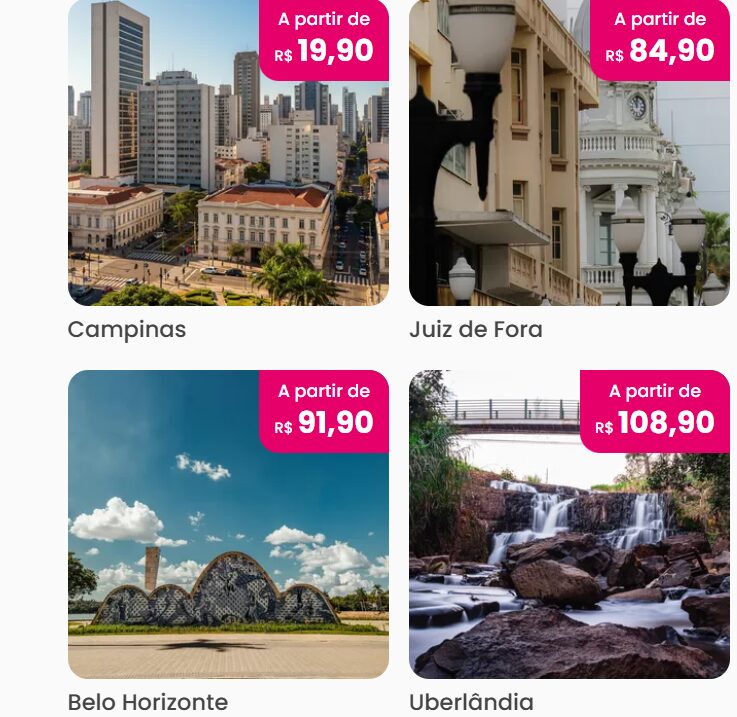
For travelers across Brazil, the practical advantages of using Buser can be significant. While the platform’s technology is impressive, its real value becomes clear when looking at everyday user benefits.
The most obvious benefit is cost savings. Many passengers report that Buser bus travel deals Brazil are cheaper than traditional bus fares on similar routes. For frequent travelers, students, and families, these savings can accumulate quickly over time.
Convenience is another major advantage. The ability to book bus tickets entirely online eliminates the need for physical ticket purchases. Users can compare routes, check availability, and confirm trips within minutes. This streamlined experience is especially valuable for last-minute planners.
Flexible departure points improve the overall travel journey. Instead of navigating busy terminals, passengers may board from more accessible city locations. This reduces travel friction and saves time, particularly in large metropolitan areas.
Comfort levels are often higher than expected for budget bus travel Brazil. Executive coaches with reclining seats and climate control make long-distance journeys more pleasant. This helps shift public perception of bus travel from basic necessity to viable travel choice.
Predictability and digital communication also enhance user confidence. Automated notifications, trip reminders, and electronic tickets reduce uncertainty. Travelers know exactly where and when to board.
Environmental efficiency is another indirect benefit. By improving seat occupancy through demand aggregation, Buser contributes to more efficient use of transportation resources. Higher occupancy can mean fewer partially empty buses on the road.
For occasional travelers, the platform provides an easy entry into intercity bus booking Brazil without needing deep familiarity with traditional bus networks. The interface guides users step by step.
Frequent travelers benefit even more. Those who regularly move between cities for work, study, or family visits can consistently capture savings and enjoy a smoother booking experience.
Overall, Buser empowers Brazilian travelers to move between cities more affordably, conveniently, and comfortably than many legacy options allow.
Future of Smart Mobility in Brazil and Final Thoughts
The transportation sector in Brazil is entering a period of rapid innovation. Digital platforms, mobile booking habits, and demand-driven logistics are reshaping how people think about intercity travel. Within this evolving landscape, Buser is well positioned as a leader in smart mobility Brazil.
Consumer expectations will continue to rise. Travelers increasingly demand transparent pricing, real-time updates, flexible boarding, and mobile-first experiences. Platforms that fail to modernize may struggle to retain younger, tech-savvy users. Buser’s digital foundation gives it a strong advantage in meeting these expectations.
Technology integration is likely to deepen. Future improvements may include more advanced route prediction, dynamic pricing optimization, and enhanced personalization based on user travel history. Artificial intelligence could help match passengers more efficiently and further reduce costs.
Mobile ecosystems will also become more important. As smartphone usage continues to dominate in Brazil, the bus ticket app Brazil experience will be a key battleground for user engagement. Seamless booking, instant notifications, and integrated payment options will define the next phase of growth.
Sustainability considerations may also shape the future. Efficient vehicle utilization and optimized routing can contribute to lower emissions per passenger. As environmental awareness grows, platforms that demonstrate efficiency advantages may gain additional support.
Competition in the online bus reservation Brazil market will undoubtedly increase. Traditional bus companies are investing in digital upgrades, and new mobility startups may enter the space. To maintain leadership, Buser will need to continue improving reliability, coverage, and user experience.
Despite these challenges, the platform’s core value proposition remains strong. By combining affordability, convenience, and technology-driven optimization, Buser has created a compelling alternative to legacy intercity transport models.
In conclusion, Buser represents a significant step forward in Brazil’s ground transportation evolution. For travelers seeking cheap bus tickets Brazil, flexible booking, and a modern digital experience, the platform offers clear advantages. As smart mobility continues to expand across the country, solutions like Buser are likely to play an increasingly important role in shaping the future of intercity travel