
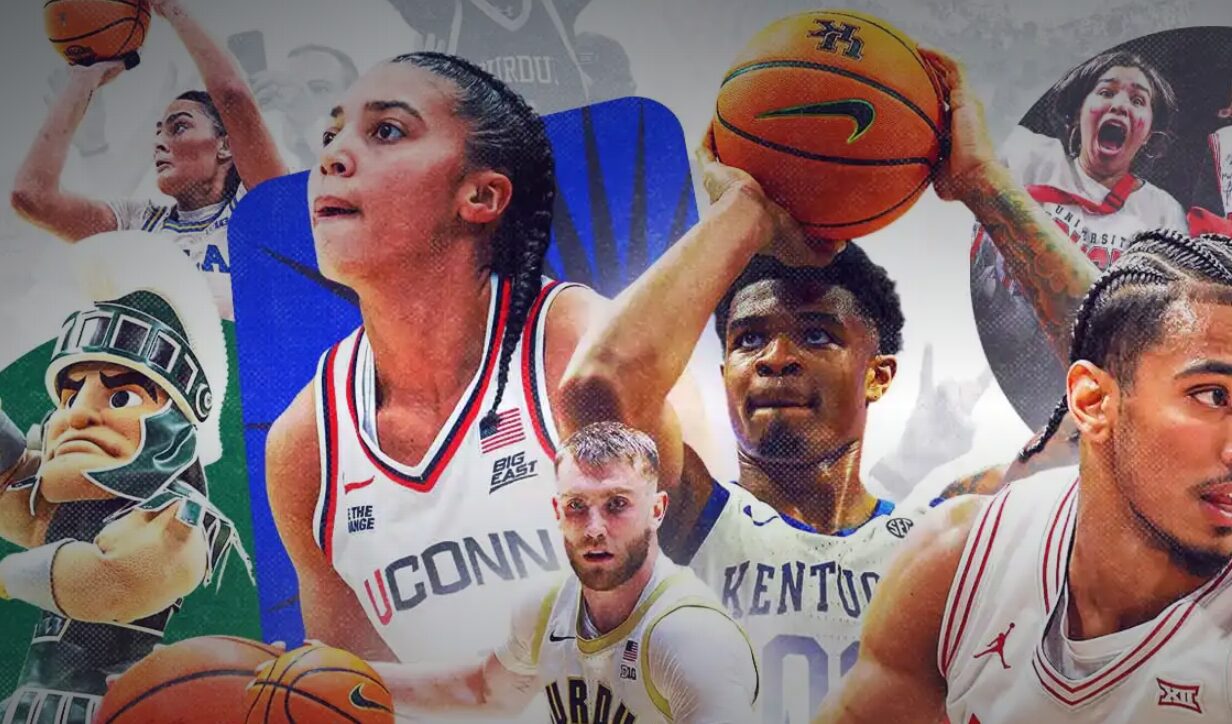
DAZN has not only changed how sports are delivered but also how fans emotionally connect with live events. Traditional broadcasts often place viewers in a passive role, limited to fixed schedules and commentary formats. DAZN, by contrast, encourages active engagement by giving fans control over how, when, and where they watch. The ability to replay decisive moments instantly, switch devices seamlessly, and follow multiple competitions simultaneously creates a deeper sense of involvement.
Social media integration and second-screen habits have also grown alongside DAZN’s rise. Fans frequently discuss live moments in real time while streaming matches, blurring the line between viewing and participation. This evolving behavior reflects a modern sports culture where community, conversation, and shared experiences matter as much as the event itself.
DAZN’s Role in Expanding Global Sports Visibility
One of DAZN’s most significant contributions to the sports ecosystem is its role in amplifying leagues and athletes that historically received limited broadcast exposure. By investing in international rights and niche sports, DAZN brings visibility to competitions that might otherwise remain regional or underrepresented.
This global approach benefits both fans and sports organizations. Viewers gain access to a broader range of sporting narratives, while leagues and athletes gain international recognition and commercial opportunities. DAZN’s platform enables emerging sports markets to reach global audiences without relying solely on traditional broadcasters.
DAZN and the Rise of On-Demand Sports Culture

Modern audiences increasingly expect content to adapt to their schedules rather than the other way around. DAZN aligns perfectly with this shift by offering extensive on-demand access to full matches, condensed replays, highlights, and analysis. This flexibility supports fans who cannot watch live due to time zones, work schedules, or personal commitments.
On-demand viewing also reshapes how fans consume sports knowledge. Rather than relying on post-match summaries from external sources, DAZN users can revisit entire events, analyze strategies, and gain deeper insights directly through the platform. This behavior fosters a more informed and invested fan base.
The Business Strategy Behind DAZN’s Growth
DAZN’s expansion strategy reflects a careful balance between content acquisition, pricing flexibility, and technological scalability. Instead of competing directly with entertainment streaming giants, DAZN focuses exclusively on sports, allowing it to position itself as a specialist rather than a generalist.
Strategic partnerships with leagues, promoters, and governing bodies enable DAZN to secure exclusive content while supporting long-term sustainability. In many regions, DAZN acts as both broadcaster and digital partner, helping sports organizations modernize their distribution strategies.
This focused business model has allowed DAZN to adapt quickly to market changes, experiment with pricing structures, and respond to evolving viewer expectations without the constraints of legacy broadcasting systems.
DAZN’s Influence on Younger and Digital-First Audiences
Younger audiences raised in a mobile-first environment often prioritize convenience, personalization, and affordability. DAZN’s platform aligns naturally with these preferences, offering intuitive interfaces and cross-device accessibility. For many younger fans, DAZN represents their first primary exposure to live sports broadcasting.
This demographic shift has long-term implications for the sports industry. As younger fans form habits around streaming platforms like DAZN, traditional television-based models may continue to decline. DAZN’s success demonstrates that sports consumption is no longer tied to a living room screen but can occur anywhere connectivity exists.
Future Innovation and the Long-Term Vision of DAZN

Looking ahead, DAZN’s future appears closely linked to technological innovation and deeper personalization. Data-driven recommendations, smarter content discovery, and enhanced interactive features are likely to define the next phase of sports streaming. DAZN is well positioned to leverage these tools due to its digital-first infrastructure.
Potential developments may include more immersive viewing experiences, advanced performance analytics for fans, and closer integration with esports and emerging competitive formats. As sports and technology continue to converge, DAZN’s adaptability will be key to maintaining relevance in an increasingly crowded digital landscape.
DAZN’s journey illustrates a broader transformation within the sports media industry. By prioritizing accessibility, flexibility, and fan-centric design, DAZN has reshaped expectations around how sports should be experienced. As global audiences continue to embrace streaming-first lifestyles, DAZN stands as a defining example of how innovation can redefine an entire category.