
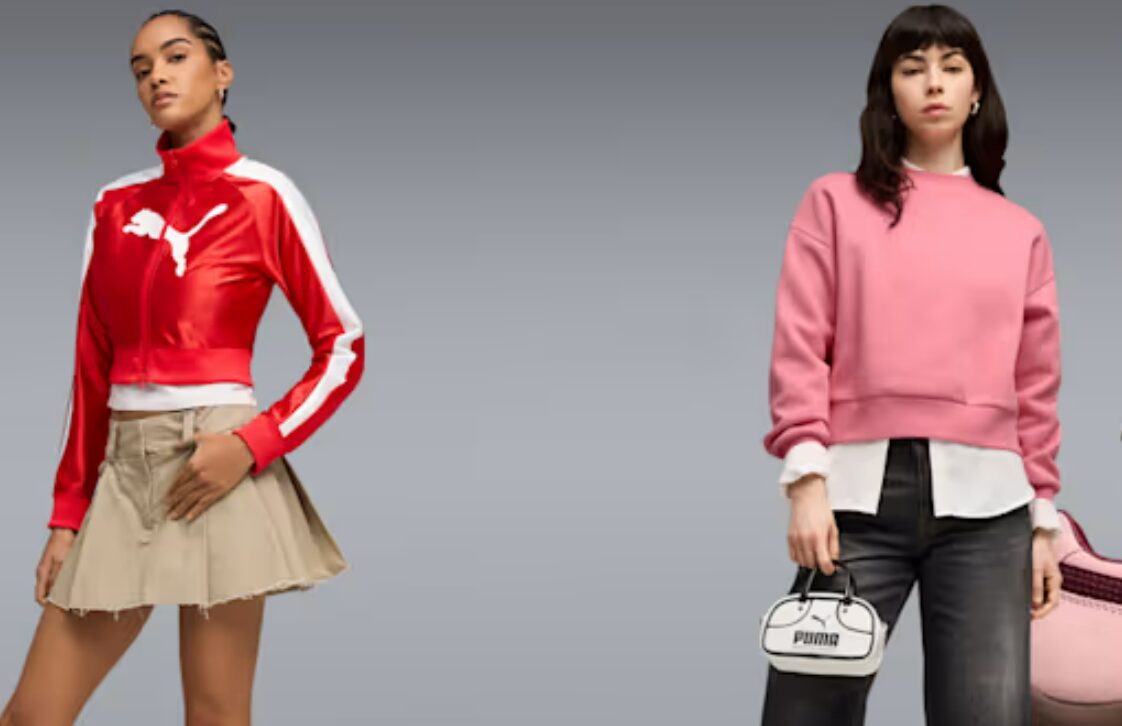
Movement is central to Puma’s identity, not just as a physical action but as a mindset. The brand’s philosophy revolves around speed, agility, and self-expression, encouraging people to move confidently in sport and in life. This focus on movement psychology influences how Puma designs products, markets collections, and communicates with its audience.
Rather than positioning performance as purely technical, Puma frames it as expressive. Shoes and apparel are created to feel light, responsive, and natural, supporting how the body wants to move rather than forcing rigid structure. This approach appeals to both athletes and everyday users who value comfort alongside performance.
Puma’s Connection to Urban and Youth Culture
Puma’s relevance in global youth and urban culture is rooted in authenticity. Over decades, the brand has maintained strong ties with music, street art, and creative communities. Sneakers and apparel from Puma are often worn not because they are trending, but because they feel culturally aligned with individuality and self-confidence.
Urban environments demand versatility, and Puma’s designs reflect that need. Products transition seamlessly between training, casual wear, and social settings. This adaptability has helped Puma remain visible in cities worldwide, where lifestyle and performance intersect daily.
By supporting grassroots sports, creative collaborations, and youth-driven campaigns, Puma continues to resonate with audiences who see sport as part of identity rather than a separate activity.
Puma Footwear as a Lifestyle Statement
Footwear plays a central role in Puma’s brand story. While performance remains a foundation, many Puma shoes have become lifestyle symbols recognized far beyond sports contexts. Classic silhouettes are reinterpreted through modern materials, colorways, and collaborations, keeping them relevant across generations.
What distinguishes Puma footwear is balance. Designs are bold but wearable, expressive without being excessive. This balance allows Puma shoes to function as both athletic tools and personal style statements. Comfort, flexibility, and visual appeal coexist rather than compete.
For many consumers, Puma footwear represents accessibility to performance-inspired style without intimidation.
Innovation Without Overcomplication
One of Puma’s strengths lies in its ability to innovate without overwhelming the user. Technology is integrated in a way that feels intuitive rather than technical. Cushioning systems, lightweight constructions, and breathable fabrics are present, but they do not dominate the narrative.
This approach aligns with modern consumer preferences. People want products that work well without requiring deep technical knowledge to appreciate them. Puma’s innovation philosophy prioritizes real-world usability over complexity, making performance feel approachable.
This simplicity helps Puma appeal to a broad audience, from professional athletes to casual wearers seeking reliable everyday comfort.
Puma and the Changing Definition of Performance
Performance today extends beyond competition and medals. It includes consistency, well-being, and personal progress. Puma reflects this broader definition by supporting fitness, training, and movement at all levels. Campaigns often emphasize personal journeys rather than elite outcomes.
This inclusive perspective reshapes how consumers relate to sportswear. Instead of aspiring only to professional standards, people see Puma as a companion in their own routines, whether that means running occasionally, staying active, or simply moving comfortably throughout the day.
By redefining performance as personal rather than exclusive, Puma strengthens emotional connection with its audience.
The Long-Term Cultural Impact of Puma

Puma’s longevity comes from its ability to evolve without losing its core identity. While trends change and technologies advance, the brand’s commitment to speed, movement, and self-expression remains consistent. This continuity builds trust and familiarity across generations.
As fashion, sport, and culture continue to merge, Puma is well positioned to remain relevant. Its balance of heritage and innovation allows it to adapt naturally rather than react aggressively to change. Local platforms such as sg.puma reflect this adaptability by offering global vision with regional relevance.
In the broader sportswear landscape, Puma stands as a brand that values rhythm over noise, confidence over excess, and movement over stagnation. Its influence is not only measured in sales or sponsorships, but in how comfortably it fits into everyday life.