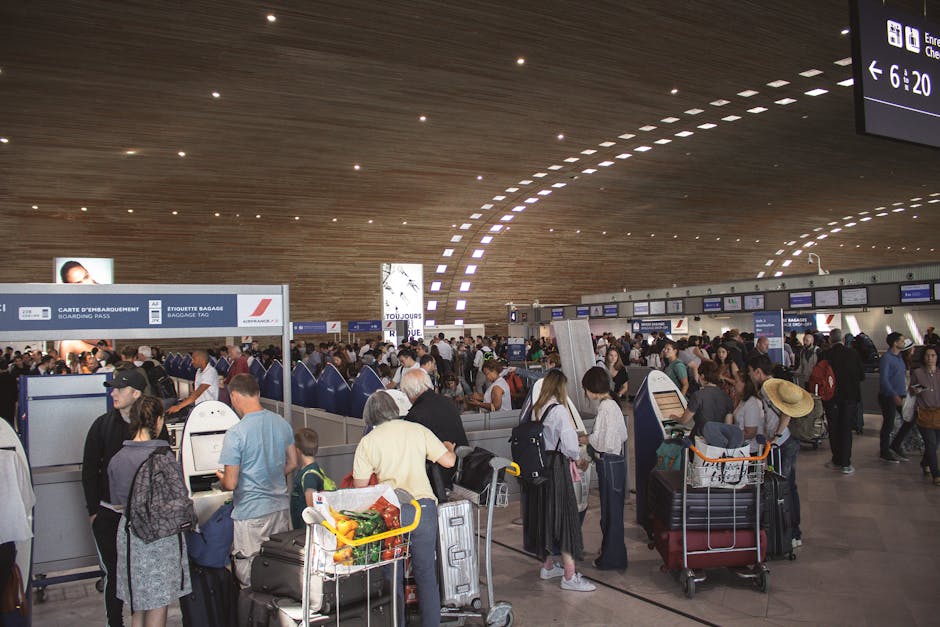
Imagine this: you’re standing at Charles de Gaulle Airport, boarding pass in hand, about to board a flight to Tokyo. Your first international trip. Excitement mixes with anxiety—will your credit card work? Did you pack the right adapter? What if you can’t find your hotel? If this sounds familiar, you’re not alone. Over 70% of French travelers report feeling overwhelmed before their first international journey. But with the right preparation, that anxiety transforms into anticipation.
International travel from France opens doors to experiences you can’t find in Paris or the Côte d’Azur. Whether you’re heading to New York’s skyscrapers, Bangkok’s street markets, or Marrakech’s medinas, these tips will help you navigate the practicalities so you can focus on the adventure.
1. Documents and Logistics: The Foundation of Your Trip
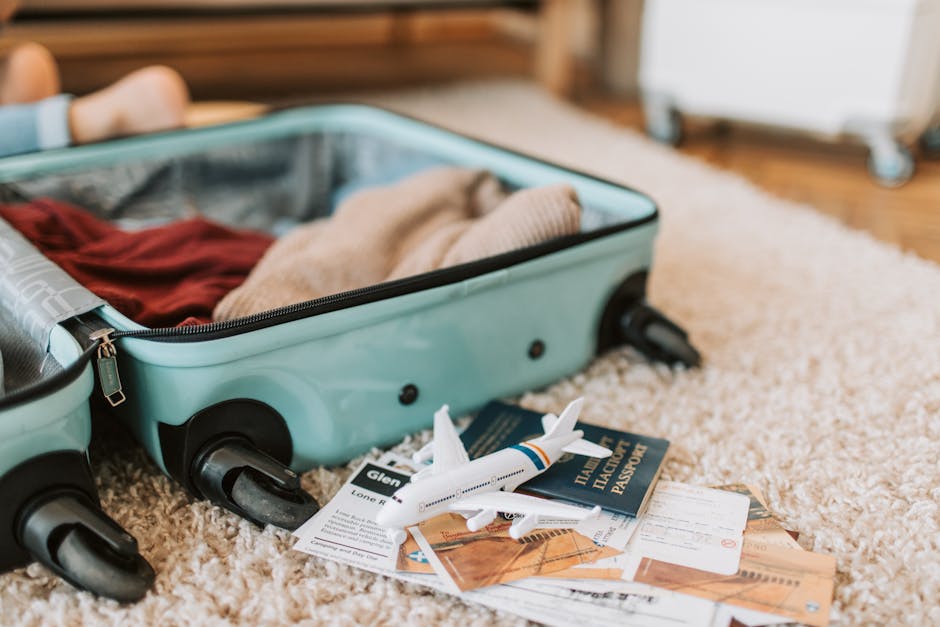
Before you dream of Instagram photos, handle the paperwork. This isn’t glamorous, but it’s essential. I learned this the hard way when I almost missed a flight to Lisbon because I didn’t realize my ID card wasn’t sufficient for EU travel by air—I needed my passport.
Passport and Visa Requirements
Check your passport expiration date today. Many countries require at least 6 months validity beyond your return date. For example, Thailand enforces this strictly. For visas, use the official France Diplomatie website or services like VisaHQ. A Schengen visa won’t help you visit the UK or US. For Americans visiting France, they need an ESTA authorization costing $21.
Travel Insurance: Don’t Skip It
Medical emergencies abroad can cost thousands. AXA offers comprehensive policies starting at €30 for a week in Europe. For longer trips, Chapka Assurance covers repatriation. Read the fine print—some policies exclude adventure activities like skiing.
Digital Copies and Emergency Contacts
Scan your passport, visa, insurance, and flight details. Save them in Google Drive and email a copy to yourself. Add the French embassy number for your destination to your contacts. In Japan, the embassy in Tokyo is +81-3-5798-6000.
2. Packing Smart: Less Is More
You don’t need three pairs of shoes for a weekend in Barcelona. Packing light saves you money on baggage fees and stress at baggage claim. Ryanair charges €25-€50 for checked bags on international flights from France.
The Capsule Wardrobe Approach
Choose neutral basics that mix and match. Two pairs of pants, four tops, and one jacket can create 10+ outfits. For summer, linen from Sézane works well. Roll clothes instead of folding—you’ll fit 20% more in your carry-on.
Essential Non-Clothing Items
A universal adapter is crucial. The Skross World Adapter Pro works in 150+ countries. Pack a portable charger like Anker PowerCore 10000mAh (€30). Include basic medications—French pharmacies won’t be nearby. I always carry Doliprane and Smecta.
Baggage Allowance Know-How
Measure your carry-on. Air France allows 55x35x25 cm. Weigh it too—many airlines enforce 10kg limits strictly. Use packing cubes from Decathlon (€15 for a set) to organize. Wear your bulkiest shoes on the plane.
3. Money Matters: Managing Your Budget Abroad
Nothing ruins a trip faster than financial surprises. With some planning, you can avoid most of them. When I first traveled to London, I didn’t realize my French bank card would incur €5 fees per ATM withdrawal.
Payment Methods and Currency
Notify your bank of your travel dates to avoid blocked cards. For better exchange rates, use services like Revolut or N26. Withdraw larger amounts less frequently to minimize fees. In Switzerland, while they accept euros, you’ll get change in CHF at poor rates.
Daily Budget Planning
Research costs beforehand. In Copenhagen, expect €8-€12 for a coffee, while in Budapest it’s €2-€3. Use apps like TripAdvisor or TheFork to find reasonably priced meals. Set aside €50-€100 per day for food, transport, and activities in most European cities.
Tipping Customs
Unlike France where service is included, tipping varies. In the US, add 15-20% at restaurants. In Japan, tipping can be considered rude. Research your destination—guidebooks like Lonely Planet provide clear guidelines.
4. Cultural Preparation: Beyond Language Barriers
Understanding local customs prevents awkward moments and shows respect. When I visited Morocco, I learned that using my left hand for eating was offensive—a small detail that mattered.
Basic Language Phrases
Learn 10 essential phrases: hello, thank you, please, excuse me, where is, how much, help, bathroom, yes, no. Use Duolingo for 10 minutes daily for two weeks before your trip. Even imperfect attempts are appreciated.
Cultural Norms and Etiquette
Research gestures that might mean different things. In Bulgaria, nodding means no. Dress appropriately for religious sites—cover shoulders and knees at Bangkok’s temples. In Finland, maintain more personal space than in Parisian cafes.
Technology and Communication
Check your mobile plan. Free (formerly Orange) offers European roaming at no extra cost, but for the US, you need a €20/day pass. Download offline maps on Google Maps before leaving WiFi. WhatsApp works almost everywhere for free messaging.
5. Health and Safety: Staying Well on the Road
Nothing spoils a trip like getting sick. Simple precautions make a big difference. I always pack electrolyte sachets after experiencing dehydration in Egypt’s heat.
Vaccinations and Health Precautions
Check vaccination requirements 6-8 weeks before travel. For Southeast Asia, hepatitis A and typhoid are recommended. Visit a travel clinic like Institut Pasteur. Carry your European Health Insurance Card for EU travel, but remember it doesn’t replace travel insurance.
Food and Water Safety
In countries with different water standards, drink bottled water and avoid ice. In India, stick to cooked foods and peeled fruits. Carry anti-diarrheal medication just in case. Street food can be safe—look for busy stalls with high turnover.
Personal Safety Tips
Register with Ariane, the French government’s traveler registration service. Keep valuables in hotel safes. Use anti-theft bags like Pacsafe. In crowded places like Rome’s Trevi Fountain, wear backpacks on your front. Trust your instincts—if something feels wrong, leave.
FAQ: Frequently Asked Questions
Do I need an international driver’s license?
Yes, for many countries outside the EU. Even in the US, some rental companies require it. Get one from your local préfecture for €20—it’s valid for one year. Bring your French license too.
How do I handle jet lag?
Adjust gradually before you leave. For flights east to Asia, go to bed one hour earlier each night for three nights. Stay hydrated on the plane—avoid alcohol. Upon arrival, get sunlight during the day to reset your circadian rhythm.
What’s the best way to find accommodation?
Use Booking.com for hotels with free cancellation. For longer stays, consider Airbnb—read reviews carefully. In Tokyo, capsule hotels offer unique experiences for €30-€50 per night. Always check the neighborhood’s proximity to public transport.
Should I exchange money before leaving France?
Only a small amount for immediate expenses like taxis. Exchange rates at French airports are poor. Instead, use ATMs at your destination for better rates. Inform your bank first to avoid blocked transactions.
Your first international trip from France marks the beginning of a lifetime of exploration. These tips might seem numerous, but implement them gradually over your planning period. Start with documents this week, tackle packing next week. Remember, even seasoned travelers make mistakes—I once spent two hours lost in Seoul because I didn’t download an offline map. What matters is staying curious and adaptable. The world awaits beyond France’s borders, filled with flavors, faces, and experiences that will change your perspective. Bon voyage!
Ready to plan your adventure? Start by checking your passport expiration date right now, then explore Skyscanner for flight deals from your nearest airport. Share your destination in the comments—we’d love to hear where your first international journey will take you!