
Unlocking a calmer workflow with smart financial tools
Running a business or working as a freelancer often feels like juggling creativity and responsibility at the same time. On one side, there is the passion that drives the work, and on the other, there is the constant need to stay organized, send invoices, track payments, and ensure financial clarity. This balance is not always easy to maintain, especially when accounting tasks begin to pile up and demand more time than expected. What should be a simple process often becomes a source of stress, confusion, and delay.
Modern digital platforms are transforming the way individuals and small businesses approach financial management. Instead of relying on spreadsheets, scattered notes, or outdated systems, users now have access to streamlined tools designed to simplify every step of the process. These platforms are not just about automation; they are about creating a sense of control and confidence. When accounting becomes easier to manage, it frees up mental space and allows individuals to focus on what truly matters.
The shift toward intuitive financial tools is also reshaping expectations. People no longer want complicated dashboards filled with technical jargon. They want clean interfaces, simple workflows, and features that align with real-world needs. The goal is not just efficiency, but peace of mind. A well-designed platform can remove the friction that often exists between managing finances and running a successful operation.
In this evolving landscape, the idea of stress free accounting is no longer a distant dream. It is becoming a practical reality for freelancers, entrepreneurs, and small teams who are ready to embrace smarter solutions. The right approach does not just save time; it transforms the entire experience of managing money, making it less intimidating and far more empowering.
The rise of intuitive invoicing for modern professionals

Invoicing is one of the most critical aspects of any business, yet it is often treated as a tedious chore. Creating invoices manually, keeping track of due dates, and following up on payments can quickly become overwhelming. For many professionals, this process leads to delays, missed payments, and unnecessary stress. The traditional methods simply do not match the speed and flexibility required in today’s work environment.
The introduction of intuitive invoicing systems has changed this dynamic significantly. These systems are designed to simplify the entire process, from creating an invoice to receiving payment. Instead of spending hours formatting documents or calculating totals, users can generate professional invoices within minutes. The focus shifts from administrative effort to seamless execution.
One of the most impactful aspects of modern invoicing tools is their ability to automate repetitive tasks. Recurring invoices, automatic reminders, and real time tracking reduce the need for constant manual intervention. This not only improves efficiency but also ensures consistency in communication with clients. When payments are tracked clearly, there is less room for confusion or disputes.
Another important feature is customization. Professionals can create invoices that reflect their brand identity, adding a personal touch to every transaction. This level of detail enhances credibility and builds trust with clients. It also reinforces the idea that invoicing is not just a financial task, but a part of the overall client experience.
As more professionals adopt these tools, invoicing is becoming less of a burden and more of a streamlined process. The focus is no longer on managing paperwork, but on maintaining a smooth and professional workflow. This shift is essential for anyone looking to reduce stress and improve financial organization in a meaningful way.
Simplifying financial management without complexity
Accounting has long been associated with complexity, technical terms, and endless calculations. For many individuals, the thought of managing finances brings a sense of anxiety. This is especially true for freelancers and small business owners who may not have formal training in accounting. The fear of making mistakes often leads to avoidance, which only makes the situation more challenging over time.
Modern platforms are addressing this issue by redefining how financial management is presented. Instead of overwhelming users with complicated features, they focus on simplicity and clarity. The goal is to make accounting accessible to everyone, regardless of their level of expertise. This approach removes the barriers that have traditionally made financial management difficult.
One of the key elements of simplified accounting is automation. Tasks such as expense tracking, income categorization, and report generation are handled automatically, reducing the need for manual input. This not only saves time but also minimizes the risk of errors. Users can rely on the system to maintain accuracy while they focus on other aspects of their work.
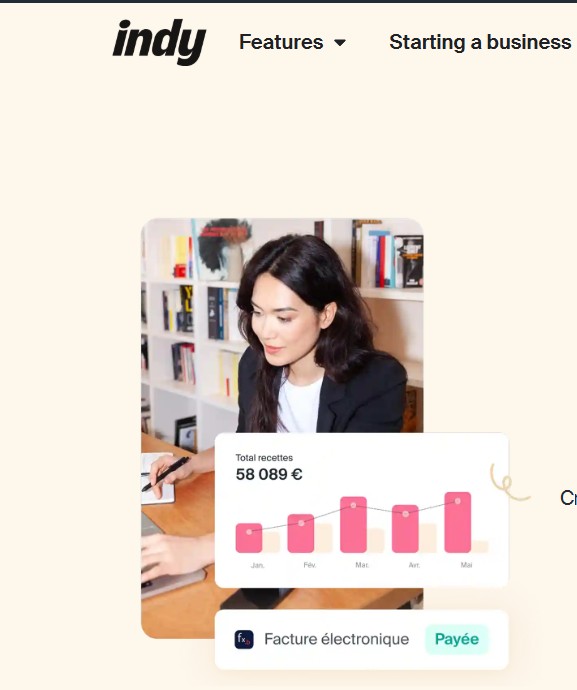
Another important factor is transparency. Clear dashboards and visual summaries provide a quick overview of financial health. Instead of digging through spreadsheets, users can instantly understand their income, expenses, and overall performance. This level of visibility makes it easier to make informed decisions and plan for the future.
The shift toward simplicity does not mean sacrificing functionality. On the contrary, these platforms offer powerful features in a user friendly format. The difference lies in how these features are presented and integrated into the workflow. By removing unnecessary complexity, they create an environment where financial management feels natural and manageable.
As a result, accounting is no longer something to be feared or avoided. It becomes an integral part of the workflow, supporting growth and stability. This transformation is essential for anyone looking to achieve a stress free approach to managing their finances.
Creating a seamless connection between work and payments
One of the biggest challenges in financial management is maintaining a smooth connection between the work being done and the payments being received. In many cases, these processes are handled separately, leading to inefficiencies and delays. Work is completed, invoices are created later, and payments are tracked in a different system. This fragmentation creates unnecessary complexity and increases the chances of errors.
Modern platforms are bridging this gap by integrating work management and financial processes into a single system. This integration ensures that every step, from project initiation to payment completion, is connected and streamlined. The result is a more cohesive workflow that eliminates the need for multiple tools and manual coordination.
When work and payments are aligned, it becomes easier to track progress and manage cash flow. Users can see exactly how their efforts translate into income, providing a clear picture of financial performance. This connection also improves accountability, as every task and transaction is documented within the same environment.
Another advantage of integration is efficiency. Instead of switching between different tools, users can manage everything in one place. This reduces the time spent on administrative tasks and allows for a more focused approach to work. The simplicity of having a unified system cannot be overstated, especially for individuals who value productivity and organization.
The seamless connection between work and payments also enhances the client experience. Clients receive timely invoices, clear communication, and professional interactions throughout the process. This level of consistency builds trust and strengthens relationships, which is essential for long term success.
By bringing together different aspects of financial management, modern platforms are creating a more intuitive and efficient workflow. This approach not only reduces stress but also improves overall performance, making it easier to achieve both financial and professional goals.
Empowering independence through smarter financial tools
For freelancers and independent professionals, financial management is more than just a task; it is a foundation for success. The ability to manage income, track expenses, and maintain financial clarity directly impacts stability and growth. However, without the right tools, this responsibility can feel overwhelming and restrictive.
Smarter financial tools are changing this narrative by empowering individuals to take control of their finances with confidence. These tools are designed to support independence, providing the resources needed to manage financial tasks without relying on external assistance. This sense of control is essential for building a sustainable and successful career.
One of the most important aspects of empowerment is accessibility. When financial tools are easy to use and understand, they become a natural part of the workflow. Users do not need to spend hours learning complex systems or seeking professional help. Instead, they can focus on their work while maintaining a clear and organized financial structure.
Another key factor is flexibility. Independent professionals often have unique workflows and requirements. Smarter tools adapt to these needs, offering customizable features that align with different styles of work. This flexibility ensures that users can create a system that works for them, rather than adjusting their workflow to fit the tool.
Confidence also plays a crucial role in empowerment. When users have a clear understanding of their financial situation, they are better equipped to make decisions. Whether it is setting rates, planning investments, or managing expenses, this confidence leads to more strategic and effective choices.
The impact of smarter financial tools goes beyond efficiency. It creates a sense of independence and security that is essential for long term success. By simplifying accounting and invoicing, these tools allow individuals to focus on their strengths and pursue their goals without unnecessary stress or distraction.