

Redefining Financial Independence In The Digital Work Era
The modern workforce is undergoing a powerful transformation. Freelancers, solopreneurs, and small business owners are no longer exceptions but a dominant force shaping the global economy. With this shift comes a new set of challenges, especially in managing finances, tracking income, handling invoices, and staying compliant with taxes. Traditional accounting systems, once designed for large corporations with dedicated finance teams, often fail to meet the dynamic needs of independent professionals. This is where Indy steps in as a revolutionary platform, reshaping how financial management is approached in the freelance and small business ecosystem.
Indy is not just another accounting tool; it represents a complete rethinking of how financial workflows should operate in a world driven by flexibility and independence. It simplifies complex processes, removes unnecessary barriers, and empowers users to take full control of their financial health without requiring deep technical knowledge. The platform’s design reflects a deep understanding of the everyday struggles freelancers face, from chasing payments to organizing receipts and managing multiple clients simultaneously.
One of the most significant aspects of this transformation is accessibility. Indy ensures that even individuals with minimal accounting experience can confidently manage their finances. By removing jargon and offering intuitive interfaces, it bridges the gap between professional accounting standards and user-friendly technology. This shift is not just about convenience but about enabling financial confidence and independence.
At the same time, the rise of digital tools like Indy signals a broader movement toward decentralization in business operations. Freelancers no longer need to rely heavily on external accountants for every small task. Instead, they can handle routine financial responsibilities themselves while still maintaining accuracy and compliance. This balance between independence and professionalism is what sets modern tools apart from traditional systems.
As the freelance economy continues to expand, platforms like Indy are becoming essential rather than optional. They are not just tools but partners in growth, helping individuals build sustainable businesses while focusing on what they do best. This transformation marks the beginning of a new era where financial management is no longer a burden but a streamlined, empowering experience.
Simplifying Complex Accounting Processes For Everyday Users
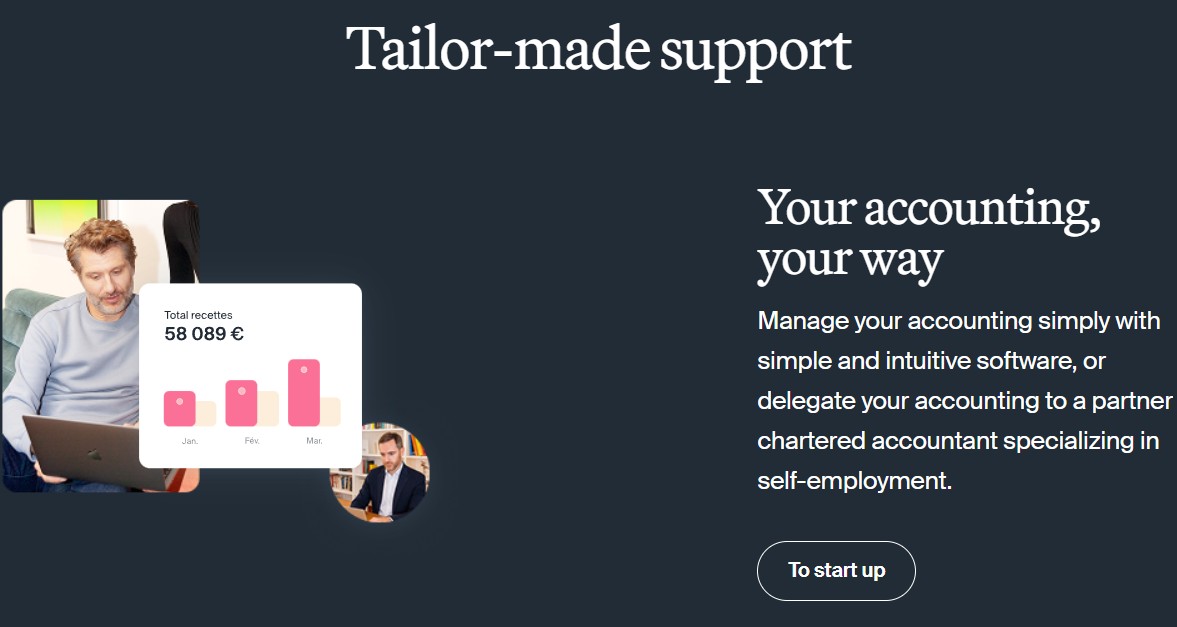
Accounting has long been perceived as one of the most intimidating aspects of running a business. Spreadsheets, tax regulations, and financial reporting often create confusion and stress, especially for those without formal training in finance. Indy addresses this issue by breaking down these complexities into manageable and understandable components, making accounting accessible to everyone.
One of the standout features of Indy is its ability to automate repetitive tasks. Instead of manually creating invoices, tracking expenses, or calculating totals, users can rely on the platform to handle these processes seamlessly. Automation not only saves time but also reduces the risk of human error, ensuring that financial data remains accurate and up to date. This is particularly beneficial for freelancers who juggle multiple projects and clients, leaving little room for administrative work.
The platform also integrates various financial functions into a single ecosystem. Users no longer need to switch between multiple tools for invoicing, expense tracking, and contract management. Everything is centralized, providing a clear overview of financial activities at any given time. This holistic approach eliminates fragmentation and enhances productivity, allowing users to focus more on their core work.
Another key element of simplicity lies in visualization. Indy transforms raw financial data into clear, easy-to-understand insights. Instead of dealing with complex reports, users can quickly grasp their income trends, outstanding payments, and overall financial health. This clarity empowers better decision-making, enabling freelancers and small business owners to plan effectively for the future.
Furthermore, Indy adapts to the unique workflows of different users. Whether someone is a designer, writer, consultant, or developer, the platform accommodates diverse needs without overwhelming them with unnecessary features. This flexibility ensures that users get exactly what they need without added complexity.
By simplifying accounting processes, Indy removes one of the biggest barriers to entrepreneurship. It allows individuals to confidently manage their finances without feeling overwhelmed, fostering a sense of control and stability. This shift not only improves efficiency but also enhances the overall experience of running a business in the digital age.
Empowering Freelancers With Seamless Financial Control
Freelancers often operate without the safety net of a structured organization. They are responsible for everything, from client acquisition to project delivery and financial management. This independence, while empowering, can also be challenging, particularly when it comes to maintaining consistent cash flow and staying organized. Indy plays a crucial role in addressing these challenges by providing tools that enhance financial control and visibility.
One of the most critical aspects of freelance work is invoicing. Delayed or missed payments can disrupt financial stability and create unnecessary stress. Indy streamlines the invoicing process, allowing users to create professional invoices quickly and track their status in real time. This transparency ensures that freelancers are always aware of which payments are pending and which have been completed, reducing uncertainty and improving cash flow management.
In addition to invoicing, expense tracking is another area where Indy excels. Freelancers often incur various business-related expenses, from software subscriptions to travel costs. Keeping track of these expenses manually can be tedious and prone to errors. Indy simplifies this process by enabling users to log expenses effortlessly and categorize them for better organization. This not only helps in budgeting but also ensures accurate tax reporting.
Financial control also extends to planning and forecasting. Indy provides insights that help users understand their earning patterns and anticipate future income. This is particularly valuable for freelancers, whose income may fluctuate from month to month. By having a clear picture of their financial situation, they can make informed decisions about spending, saving, and investing in their business.
Another empowering aspect of Indy is its ability to reduce dependency on external services. While professional accountants are still valuable for complex tasks, freelancers can handle day-to-day financial management independently. This not only saves money but also builds confidence in managing one’s own business.
Ultimately, Indy empowers freelancers by giving them the tools and insights they need to take control of their finances. It transforms financial management from a source of stress into a streamlined and manageable process, allowing freelancers to focus on their creativity and growth.
Enhancing Efficiency And Growth For Small Businesses
Small businesses face a unique set of challenges that differ from those of freelancers. While they may have slightly larger operations, they often lack the resources of larger corporations. Managing finances efficiently becomes crucial for their survival and growth. Indy addresses these challenges by offering solutions that enhance efficiency and support scalability.
One of the primary benefits for small businesses is the ability to streamline workflows. Managing multiple clients, employees, and financial transactions can quickly become overwhelming. Indy centralizes these operations, providing a unified platform where all financial activities can be managed seamlessly. This integration reduces administrative overhead and improves overall efficiency.
Time management is another critical factor for small businesses. Owners often wear multiple hats, balancing operational tasks with strategic planning. Indy saves valuable time by automating routine processes such as invoicing, expense tracking, and payment reminders. This allows business owners to focus on growth-oriented activities rather than getting bogged down by administrative work.
Scalability is also a key consideration. As small businesses grow, their financial management needs become more complex. Indy is designed to adapt to this growth, offering features that can accommodate increasing demands without requiring a complete system overhaul. This flexibility ensures that businesses can continue to rely on the platform as they expand.
Another important aspect is professionalism. Presenting a polished and organized financial system enhances credibility with clients and partners. Indy enables small businesses to create professional invoices, maintain accurate records, and demonstrate financial transparency. This not only builds trust but also strengthens business relationships.
Moreover, Indy supports better financial decision-making. By providing clear insights into income, expenses, and profitability, it helps business owners identify opportunities for improvement and growth. This data-driven approach enables smarter strategies and more effective resource allocation.
Through these capabilities, Indy becomes more than just a tool; it becomes a catalyst for growth. It empowers small businesses to operate efficiently, scale effectively, and achieve their goals with confidence in their financial management.
Shaping The Future Of Accounting With Innovation And Simplicity

The future of accounting is being shaped by innovation, and Indy stands at the forefront of this transformation. As technology continues to evolve, the expectations of users are also changing. They demand tools that are not only functional but also intuitive, efficient, and adaptable. Indy meets these expectations by combining advanced technology with a user-centric approach.
One of the defining characteristics of modern accounting solutions is automation. Indy leverages automation to handle repetitive and time-consuming tasks, freeing users to focus on more strategic aspects of their business. This shift from manual processes to automated workflows represents a significant step forward in efficiency and productivity.
Another important trend is integration. Users increasingly prefer platforms that can seamlessly connect with other tools and services. Indy embraces this trend by offering integrations that enhance its functionality and create a cohesive ecosystem. This interconnected approach simplifies workflows and reduces the need for multiple standalone tools.
User experience is also a major focus. Indy prioritizes simplicity and clarity, ensuring that even complex financial tasks can be performed and confidence. This emphasis on usability sets it apart from traditional accounting software, which often prioritizes functionality over user experience.
Looking ahead, the role of accounting tools will continue to expand. They will not only manage finances but also provide insights and guidance for business growth. Indy is already moving in this direction, offering features that help users understand their financial performance and make informed decisions.
The impact of this transformation extends beyond individual users. By making accounting more accessible and efficient, Indy contributes to the growth of the freelance and small business economy as a whole. It enables more people to pursue independent careers and build successful businesses without being hindered by financial complexities.
In conclusion, Indy is reshaping the landscape of accounting by combining innovation with simplicity. It empowers freelancers and small businesses to take control of their finances, enhances efficiency, and supports growth. As the digital economy continues to evolve, tools like Indy will play an increasingly important role in defining the future of work and financial management.