
The New Era Of European Travel With FlixBus
Travel across Europe has changed dramatically over the last decade. What was once considered expensive, stressful, and difficult to organize has become more accessible for millions of travelers. Among the companies leading this transformation, FlixBus has become one of the most recognized names in modern transportation. The company has reshaped how people think about long-distance bus travel by offering affordable routes, digital convenience, and connections between hundreds of cities that were previously difficult to reach without spending large amounts of money.
For many years, buses were often viewed as the least attractive way to travel. Trains were associated with comfort, flights were linked with speed, and buses were seen as a last option for budget travelers. However, this perception has shifted significantly. Modern travelers now look for flexibility, affordability, and sustainability, and these priorities have opened the door for companies like FlixBus to become central players in European tourism and transportation.
The rise of low-cost travel culture has also contributed to this shift. Younger generations are more interested in experiences than luxury, and many travelers prefer spending less on transportation so they can enjoy more activities during their journeys. FlixBus entered the market at the perfect time, offering extensive routes at prices that often surprised customers. Suddenly, traveling between major European cities became possible even for students, backpackers, and families with limited budgets.
One of the most impressive aspects of the company is how it connects both large capitals and smaller destinations. Travelers are no longer limited to famous tourist hotspots. Instead, they can explore lesser-known towns, hidden cultural regions, and scenic countryside areas that traditional airlines may never serve. This has encouraged a broader form of tourism across Europe and has helped local economies benefit from increased visitor numbers.
The company’s approach combines technology with transportation in a way that feels modern and efficient. Booking tickets through mobile apps, receiving digital updates, and tracking schedules in real time has made the travel experience much smoother than traditional bus services. Customers appreciate the simplicity of planning journeys without complicated booking systems or excessive paperwork.
Another important reason for the growing popularity of FlixBus is the changing mindset around sustainable travel. Environmental concerns are becoming increasingly important, especially in Europe where governments and travelers are looking for greener alternatives to air travel. Buses naturally produce fewer emissions per passenger compared to airplanes, and this has encouraged environmentally conscious travelers to choose long-distance coach travel more often.
The success of FlixBus reflects a broader movement in Europe where convenience, affordability, and sustainability are becoming more important than luxury alone. The company has not simply created a transport service; it has helped redefine what modern travel looks like for millions of people.
Affordable Journeys That Open Europe To Everyone

One of the biggest reasons behind the success of FlixBus is affordability. Traveling across Europe was once considered expensive, especially for people wanting to visit multiple countries in a single trip. Flights, train passes, hotel transfers, and airport transportation could quickly consume a traveler’s budget. FlixBus changed this reality by offering low-cost travel options that make exploration more accessible to everyone.
Students are among the largest groups benefiting from these affordable services. Young travelers often dream of exploring Europe but may not have the financial resources to support expensive transportation. FlixBus has made it possible for students to visit multiple cities while staying within tight budgets. This accessibility has contributed to the growth of youth travel culture across the continent.
Backpackers have also embraced this transportation model. Many travelers prefer flexible itineraries rather than strict schedules. Instead of booking expensive flights months in advance, they can make spontaneous decisions and move between destinations more freely. Affordable bus tickets allow travelers to adapt their journeys based on recommendations, weather, events, or personal interests without financial stress.
Families are another group benefiting from budget-friendly transportation. Traveling with children often increases overall costs significantly, particularly when flights are involved. Bus travel provides an economical alternative that allows families to spend more on accommodation, food, attractions, and memorable experiences rather than transportation alone.
The affordability factor becomes even more valuable during peak tourism seasons. Summer holidays and major festivals usually cause airline and train prices to rise dramatically. However, FlixBus often remains comparatively affordable, giving travelers an alternative when other forms of transportation become too expensive.
Beyond individual savings, the company’s pricing strategy has also encouraged more frequent travel. People who once considered international trips rare or financially impossible can now take weekend journeys, attend concerts in neighboring countries, or visit friends and relatives more often. Affordable transportation has made Europe feel smaller and more connected.
The impact extends beyond tourism. Many workers, international students, and migrants rely on affordable travel to maintain relationships with loved ones living in different countries. The ability to travel across borders at reasonable prices has strengthened social and cultural connections throughout Europe.
In many ways, FlixBus represents democratized travel. It has reduced barriers that previously limited movement across the continent and has created opportunities for people from diverse financial backgrounds to experience new cultures, languages, and destinations.
Technology And Convenience Redefining Bus Travel
Modern travelers expect convenience in every aspect of their journeys, and FlixBus has successfully adapted to these expectations. Unlike traditional bus systems that often relied on confusing schedules and outdated ticketing methods, the company embraced digital technology from the beginning.
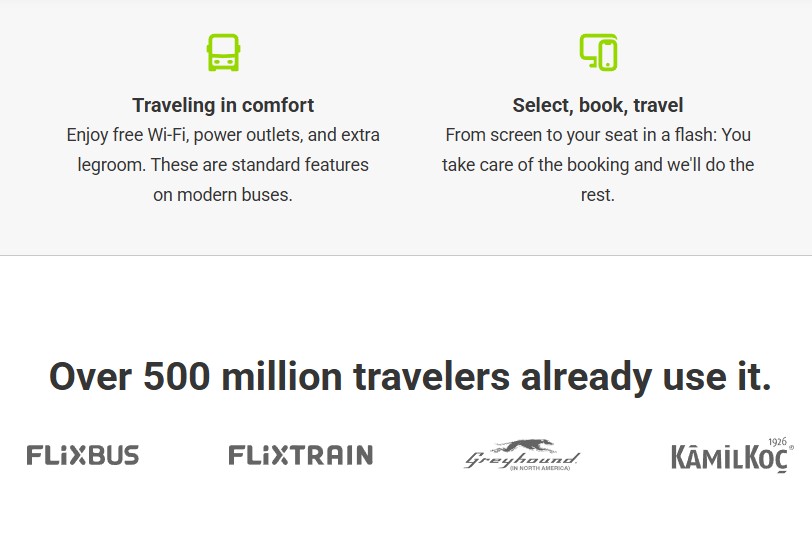
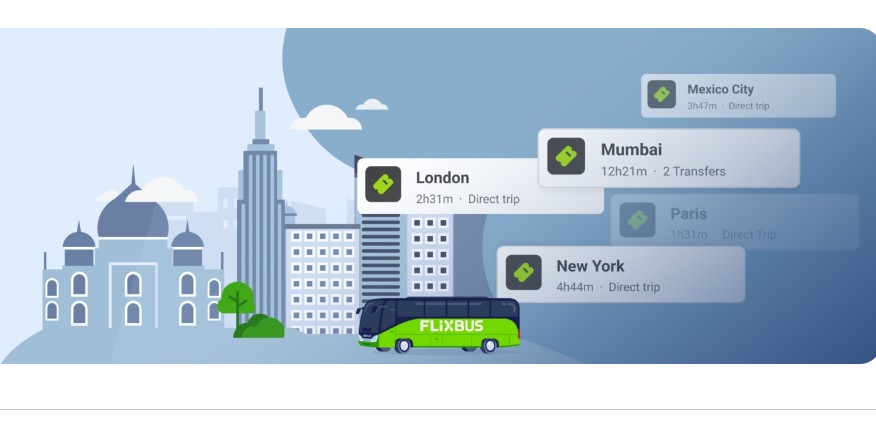
Booking tickets online has become incredibly simple. Travelers can search routes, compare prices, choose departure times, and secure reservations within minutes. Mobile applications further improve convenience by storing digital tickets and providing real-time notifications about schedules or delays.
This digital-first approach appeals strongly to younger generations who prefer handling travel arrangements directly from smartphones. The ability to plan an entire journey digitally removes much of the stress traditionally associated with long-distance travel.
Real-time updates are another major advantage. Travelers today expect accurate information about departures, delays, and route changes. FlixBus provides updates that help passengers adjust their plans when necessary. This transparency improves customer confidence and reduces uncertainty during travel.
Comfort has also improved significantly compared to traditional bus services. Many buses offer spacious seating, charging ports, internet access, and air conditioning. These features make long journeys more enjoyable and productive. Travelers can work remotely, stream entertainment, study, or stay connected with friends and family throughout their trips.
The company’s route network is also carefully designed to maximize convenience. Instead of focusing solely on major airports or railway hubs, FlixBus often connects directly to city centers and regional destinations. This reduces the need for additional transportation after arrival and helps travelers save both time and money.
Flexibility is another key factor behind the company’s popularity. Many travelers appreciate the ability to adjust schedules without complicated procedures. Compared to rigid airline policies or expensive last-minute train bookings, bus travel often feels more adaptable and traveler-friendly.
Technology has also helped the company manage large-scale operations efficiently. Coordinating thousands of routes across numerous countries requires sophisticated systems for scheduling, ticketing, and customer support. The company’s ability to combine transportation infrastructure with digital innovation has played a major role in its rapid expansion.
Importantly, these technological improvements have changed public perception of bus travel itself. What was once considered inconvenient or outdated now feels modern, connected, and user-friendly. Travelers increasingly view bus transportation as a practical and intelligent option rather than a compromise.
Connecting Cities, Cultures, And Hidden Destinations
Europe is known for its incredible cultural diversity, and transportation plays a major role in making this diversity accessible. FlixBus has expanded travel possibilities far beyond major tourist capitals by connecting hundreds of cities and towns across the continent.
Many traditional transportation systems focus primarily on large metropolitan areas. Airlines concentrate on major airports, while high-speed rail networks often prioritize popular routes between large economic centers. Smaller destinations may remain difficult or expensive to access through these systems. FlixBus has filled this gap by creating connections to regional cities and lesser-known locations.
This wider accessibility has transformed tourism patterns. Travelers are increasingly exploring destinations beyond famous cities like Paris, Rome, or Berlin. Smaller towns with unique architecture, local traditions, and beautiful landscapes are becoming more visible to international visitors.
Cultural exchange has benefited greatly from this expanded connectivity. People can attend music festivals, sporting events, academic programs, and cultural celebrations in different countries without spending excessive amounts on transportation. This movement strengthens understanding between different European communities.
The company has also helped support local economies. Increased tourism brings revenue to hotels, restaurants, shops, and attractions in smaller cities that may not normally receive large numbers of international visitors. In some regions, accessible transportation has contributed directly to economic growth and tourism development.
Cross-border travel has become easier than ever. Europe’s open-border system already encourages movement between countries, but affordable transportation makes these opportunities even more practical. Travelers can experience multiple languages, cuisines, and traditions within a single journey.
Seasonal tourism has also expanded. Travelers can reach ski resorts, coastal towns, mountain villages, and countryside destinations throughout the year. This flexibility encourages tourism outside traditional peak seasons and helps distribute economic benefits more evenly across regions.
Another important aspect is social connection. Families and friends living in different countries can visit each other more frequently because travel costs are lower. International students can return home during holidays more easily. Workers employed abroad can maintain stronger ties with their communities and loved ones.
The extensive route network has effectively reduced perceived distances across Europe. Places that once seemed far away or difficult to access now feel within reach for ordinary travelers. This sense of accessibility has encouraged curiosity, adventure, and cultural exploration on a much larger scale.
Sustainable Travel And The Future Of Transportation
Environmental awareness is becoming one of the defining issues of modern travel. Across Europe, governments, organizations, and individuals are searching for transportation solutions that reduce environmental impact while remaining affordable and accessible. FlixBus has positioned itself within this growing movement toward more sustainable mobility.
Air travel, while fast, produces significant carbon emissions. As awareness of climate change increases, many travelers are reconsidering how they move between destinations. Long-distance buses provide a more environmentally efficient alternative because emissions are shared among many passengers rather than concentrated in individual vehicles or short-haul flights.
This sustainability factor has become especially important for younger generations. Many travelers now actively consider environmental impact when planning trips. Choosing buses instead of flights is often viewed as a responsible decision that aligns with broader efforts to reduce carbon footprints.
Governments across Europe are also supporting greener transportation systems. Public discussions about reducing unnecessary flights and investing in sustainable mobility have created favorable conditions for companies offering lower-emission alternatives. Bus transportation fits naturally within these long-term environmental goals.
The company’s growth demonstrates that sustainable travel does not need to be expensive or inconvenient. Travelers can make environmentally conscious decisions without sacrificing affordability or accessibility. This balance is essential because sustainable transportation solutions must remain practical for ordinary people.
Innovation will likely continue shaping the future of bus travel. Electric buses, alternative fuels, and smarter transportation technologies may further reduce environmental impact in the coming years. Companies investing in these innovations could play a central role in Europe’s transition toward cleaner mobility systems.
The future of transportation may become increasingly interconnected. Travelers could combine buses, trains, bicycles, and shared mobility services within unified digital platforms that simplify journey planning. FlixBus has already shown how technology and transportation can work together effectively, making it well positioned for future developments.
Consumer expectations are also changing permanently. Travelers increasingly prioritize flexibility, affordability, digital convenience, and sustainability rather than traditional luxury alone. Transportation companies that understand these priorities are likely to shape the next generation of European travel.
FlixBus represents more than a successful transportation company. It symbolizes a broader transformation in how people experience movement, tourism, and cultural connection across Europe. By making travel more affordable, convenient, and sustainable, the company has influenced millions of journeys and helped redefine what modern exploration looks like.
As Europe continues evolving, transportation systems will remain essential in connecting people, cultures, and opportunities. The growing popularity of affordable and sustainable travel suggests that bus transportation will continue playing an important role in the future. For many travelers, the journey itself is no longer simply about reaching a destination. It has become part of a larger experience built around freedom, discovery, and accessibility across an increasingly connected continent.