
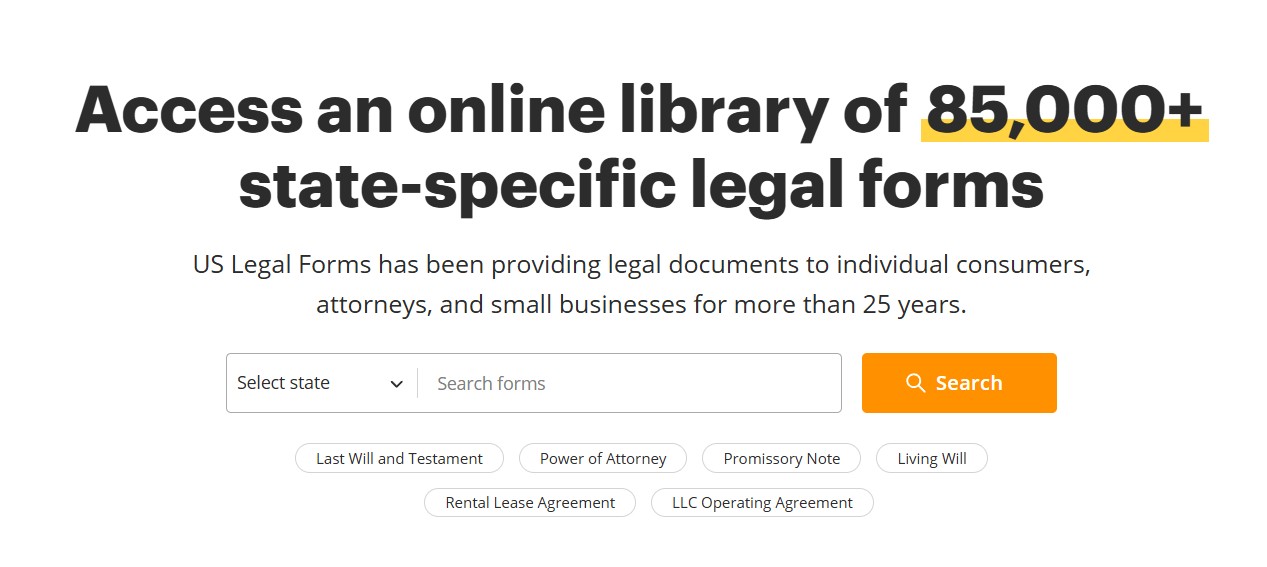
Understanding The Modern Evolution Of Online Legal Documentation
The legal world has undergone a remarkable transformation over the past decade. What once required multiple office visits, lengthy consultations, stacks of paperwork, and significant expenses can now be accomplished from the comfort of home through digital platforms and online legal document services. Individuals, families, entrepreneurs, and businesses are increasingly turning to online legal forms to simplify document creation while maintaining professionalism and accuracy.
Online legal documentation has become an essential part of modern life because legal paperwork touches nearly every major milestone and transaction. Whether someone is starting a business, purchasing property, creating a lease agreement, drafting a will, managing employment contracts, or handling personal legal matters, properly prepared documents provide clarity, protection, and peace of mind.
One of the biggest advantages of digital legal forms is accessibility. People no longer need to spend hours searching for templates or attempting to create documents from scratch. Online platforms provide structured templates that guide users through each section, helping ensure that important information is included correctly. This reduces confusion and allows users to complete documents efficiently.
The growth of remote work and digital business operations has further increased the demand for online legal documentation. Companies frequently need contracts, agreements, policies, and compliance documents that can be created, edited, shared, and signed electronically. Online document solutions provide flexibility that traditional paperwork simply cannot match.
Another important benefit is consistency. Standardized legal forms help ensure that documents follow recognized structures and include necessary provisions. This consistency improves communication between parties and reduces the likelihood of misunderstandings. When documents are organized clearly and professionally, everyone involved can understand their rights, responsibilities, and expectations more easily.
The confidence gained from using reliable legal forms extends beyond convenience. Proper documentation can help prevent disputes, establish clear agreements, and create records that may be valuable in future situations. Whether for personal or professional use, digital legal forms have become an important tool for individuals seeking efficient and organized legal solutions.
As technology continues to advance, online legal document platforms are becoming increasingly sophisticated. Features such as electronic signatures, cloud storage, automated document generation, and customizable templates make it easier than ever to create legal paperwork that meets specific needs. The result is a legal documentation process that is more accessible, efficient, and user-friendly than ever before.
Choosing The Right Legal Forms For Personal And Business Needs
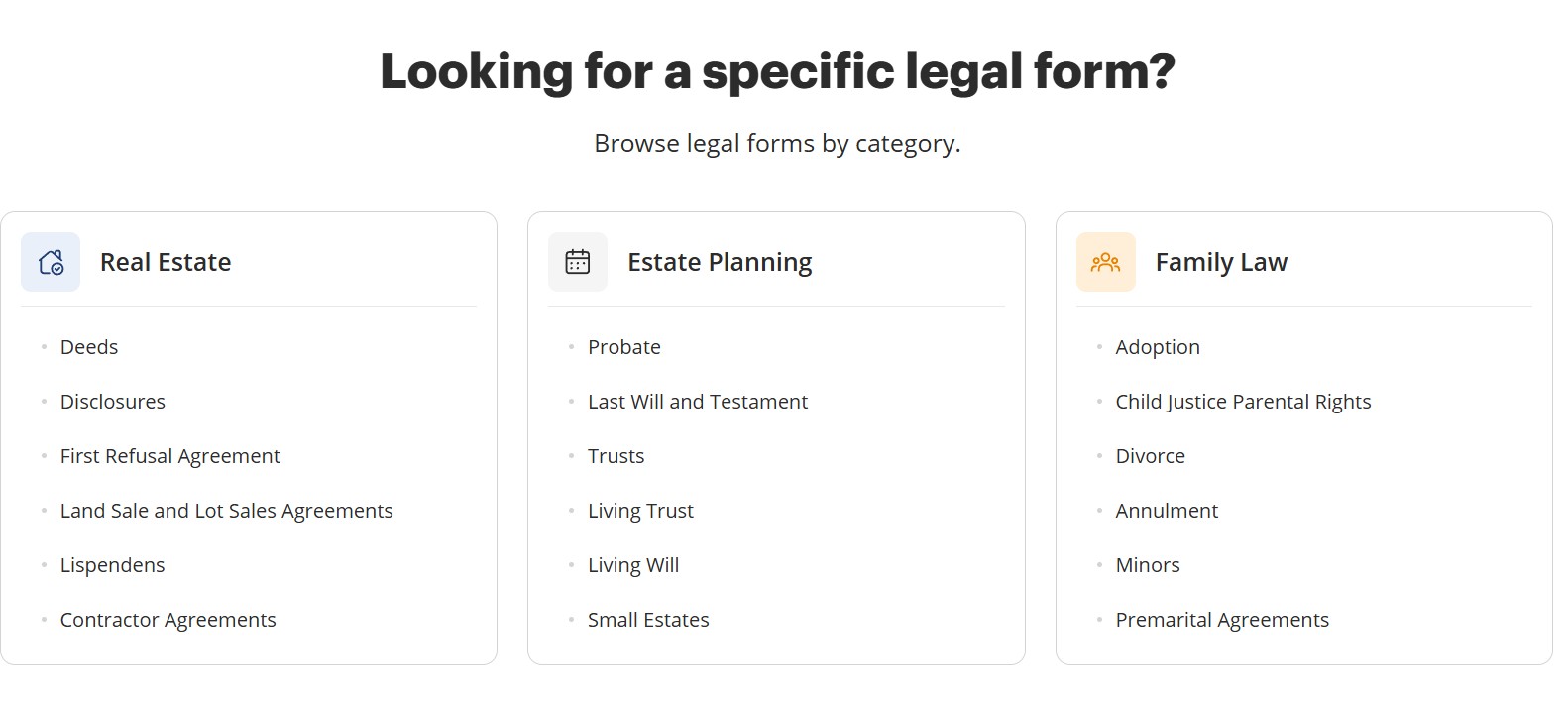
Selecting the appropriate legal form is one of the most important steps in creating effective legal documentation. Every situation requires a document designed to address specific circumstances, responsibilities, and objectives. Understanding which form is needed can save time while helping ensure that important details are properly documented.
Personal legal matters often involve documents that protect family interests, financial assets, and individual rights. Common examples include wills, powers of attorney, healthcare directives, rental agreements, and personal financial contracts. These forms help individuals prepare for future events, manage responsibilities, and establish legally recognized instructions.
Business owners face a different set of documentation requirements. Companies regularly rely on contracts, partnership agreements, employment forms, confidentiality agreements, vendor contracts, operating agreements, and service agreements. Each document plays a role in defining relationships, setting expectations, and protecting business interests.
The process of choosing the correct legal form begins with understanding the purpose of the document. Clearly identifying the intended outcome helps ensure that the selected form includes the necessary provisions. For example, a business partnership agreement requires different clauses than an employment contract because the relationships and responsibilities involved are entirely different.
Customization is another critical consideration. While templates provide a strong foundation, every situation contains unique details. The ability to modify clauses, add specific terms, and adjust language allows users to create documents that accurately reflect their circumstances. Flexibility ensures that legal forms remain relevant rather than becoming generic paperwork.
Users should also consider future needs when selecting forms. Legal relationships often evolve over time. Business partnerships may expand, employment responsibilities may change, and family circumstances may shift. Choosing adaptable documents that can be updated and revised helps maintain accuracy as situations develop.
Another factor is compliance with applicable requirements. Different jurisdictions may have unique regulations that influence document structure and content. Online legal form platforms often provide guidance that helps users create documents consistent with current legal standards, reducing uncertainty during the preparation process.
Careful selection of legal forms contributes significantly to document effectiveness. Taking time to understand the purpose, audience, and long-term objectives of a document helps create agreements that are clear, practical, and aligned with intended goals.
Creating Customized Legal Documents With Accuracy And Efficiency
Customization is what transforms a standard legal template into a document that reflects real-world needs. While templates provide valuable structure, personalization allows users to address specific circumstances and create meaningful agreements tailored to their unique situations.
The first step in customization involves gathering accurate information. Names, addresses, dates, financial details, responsibilities, and other relevant information should be verified before document creation begins. Accurate data serves as the foundation for reliable legal documentation and reduces the risk of errors.
Clear language is equally important. Legal documents should communicate expectations and obligations in a way that all parties can understand. While legal terminology may be necessary in certain situations, clarity should always remain a priority. Well-written documents reduce confusion and improve the likelihood that agreements will be followed correctly.
Customization also involves defining specific rights and responsibilities. Generic language may not fully address the details of a particular arrangement. Adding customized provisions helps ensure that all parties understand their roles, obligations, and expectations from the beginning of the relationship.
Many online document platforms simplify customization through guided questionnaires and automated workflows. Instead of manually drafting every clause, users answer a series of questions that generate relevant language based on their responses. This process saves time while helping maintain consistency throughout the document.
Reviewing customized documents carefully is an essential part of the creation process. Even advanced templates and automated systems require human oversight. Users should read every section thoroughly, confirm that information is accurate, and verify that customized provisions align with their intentions.
Electronic collaboration has further improved document customization. Multiple parties can review drafts, suggest changes, and provide feedback without needing to exchange physical paperwork. This collaborative approach promotes transparency and helps ensure that everyone involved understands the final agreement before signing.
Efficiency does not mean sacrificing quality. The goal of modern document creation tools is to streamline administrative tasks while maintaining professional standards. By combining structured templates with flexible customization options, users can create documents that are both efficient and highly relevant to their needs.
The ability to generate customized legal forms quickly and accurately empowers individuals and organizations to manage legal responsibilities with greater confidence. As a result, legal documentation becomes less intimidating and more accessible to a wider range of users.
Managing Legal Documents Securely In A Digital Environment
Creating legal documents is only one part of the process. Effective document management is equally important because legal paperwork often contains sensitive information that must be stored, organized, and protected appropriately.
Digital storage has become the preferred solution for managing legal documents. Unlike traditional filing cabinets, cloud-based systems allow users to access documents from virtually anywhere while maintaining organized records. This accessibility improves efficiency and ensures that important paperwork remains available when needed.
Security plays a crucial role in digital document management. Legal forms frequently contain personal information, financial data, business details, and confidential agreements. Secure storage systems help protect documents from unauthorized access while reducing the risks associated with physical paper records.
Document organization contributes significantly to long-term effectiveness. Creating clear folder structures, assigning descriptive file names, and maintaining version control helps users locate information quickly. Organized records save time and reduce frustration when documents must be reviewed or updated.
Backup systems provide an additional layer of protection. Unexpected events such as hardware failures, accidental deletions, or technical issues can threaten important records. Maintaining secure backups helps ensure that critical documents remain recoverable even if primary storage systems encounter problems.
Electronic signatures have become an important component of digital document management. They allow parties to sign agreements quickly while reducing delays associated with printing, mailing, and scanning paperwork. This convenience accelerates transactions and supports modern remote business operations.
Regular document reviews are also essential. Laws, regulations, business structures, and personal circumstances can change over time. Periodically reviewing legal forms helps identify outdated information and ensures that documents continue to reflect current needs and objectives.
Collaboration tools further enhance document management. Businesses often need multiple stakeholders to access and review agreements. Secure sharing features enable authorized individuals to view and update documents while maintaining accountability and tracking modifications.
By combining strong security practices with efficient organizational systems, individuals and businesses can manage legal documents confidently. Effective document management supports compliance, protects valuable information, and contributes to smoother personal and professional operations.
Building Long-Term Confidence Through Smart Legal Document Practices
Confidence in legal documentation comes from preparation, organization, and informed decision-making. Rather than viewing legal paperwork as a complicated obligation, individuals and businesses can approach it as a valuable tool for protecting interests and supporting long-term success.
One of the most effective ways to build confidence is through education. Understanding the purpose of various legal documents helps users make informed choices when selecting forms and customizing agreements. Familiarity with common legal concepts reduces uncertainty and improves overall decision-making.
Consistency is another key factor. Maintaining organized records, updating documents regularly, and following established procedures creates a reliable documentation system. Consistent practices help prevent overlooked details and contribute to stronger legal preparedness.
Technology continues to make legal documentation more accessible. Automated tools, secure storage platforms, electronic signatures, and customizable templates allow users to handle many documentation tasks efficiently while maintaining professional standards. These innovations reduce administrative burdens and make legal processes more manageable.
Proactive planning also strengthens confidence. Waiting until an urgent situation arises often increases stress and limits available options. Preparing documents in advance allows individuals and businesses to address important matters thoughtfully and strategically.
Communication remains a critical component of successful legal documentation. Agreements function best when all parties understand their contents and expectations. Transparent communication during document creation helps establish trust and reduces the likelihood of future disputes.
Adaptability is equally important in a changing world. Businesses grow, regulations evolve, and personal circumstances shift over time. Maintaining flexible documentation practices allows users to respond effectively to new challenges and opportunities while keeping records accurate and relevant.
The future of legal document management will likely continue emphasizing convenience, security, and customization. As digital tools become increasingly sophisticated, users will gain even greater control over document creation and administration. These advancements will further simplify legal processes while expanding access to professional-quality documentation.
Ultimately, confidence comes from knowing that important agreements, responsibilities, and decisions are properly documented. By using reliable legal forms, customizing documents thoughtfully, managing records securely, and maintaining organized practices, individuals and businesses can navigate legal requirements with greater certainty and peace of mind. Effective documentation is not simply about paperwork—it is about creating a foundation for stability, protection, and long-term success in an increasingly complex world.